You're the type of woman who executes. You've read the studies, overhauled your diet, cut the caffeine, added the supplements, and still — your PCOS symptoms are running your life. The fatigue is real. The weight won't move. Your cycles are unpredictable. And you're starting to wonder if you're just broken.
You're not broken. But if you're a high-achiever with a demanding career, a full life, and a body that's under chronic output — cortisol may be the single biggest factor nobody has talked to you about. Not because you aren't trying hard enough. Because the underlying biology is working against you in a way that most PCOS advice completely ignores.
This post is educational and not a substitute for working with a qualified healthcare provider who knows your full picture. But understanding the mechanism can help you stop blaming yourself for results that have a physiological explanation.
What's Actually Going On in Your Body
Cortisol is your primary stress hormone, produced by the adrenal glands as part of your body's stress response. In short bursts, it's functional , it sharpens focus, raises blood sugar for quick energy, and helps you respond to demands. The issue for many women with PCOS is when cortisol stays elevated over time due to chronic, ongoing stress: relentless work schedules, poor sleep, under-eating, over-exercising, or simply living in a state of constant output.
Research suggests that chronic HPA (hypothalamic-pituitary-adrenal) axis activation , the system that controls cortisol release , may contribute to increased adrenal androgen production in some women with PCOS. Androgens like DHEA-S and testosterone are produced by the same adrenal glands that make cortisol, and studies have shown a relationship between cortisol dysregulation and elevated adrenal androgens in certain PCOS subtypes. This is relevant because androgens are often behind symptoms like facial hair, acne, hair thinning, and irregular cycles.
Cortisol also plays a role in blood sugar regulation. Elevated cortisol raises blood glucose as part of the stress response, which in turn triggers insulin release. For women who already have insulin resistance , which research suggests affects a significant portion of women with PCOS , this can compound the challenge of managing blood sugar and metabolic symptoms. It's not that stress is the single root cause of PCOS. It's that chronic stress may be an amplifier for women who are already dealing with hormonal imbalance.
"It's not that stress is the root cause of your PCOS. It's that chronic stress may be making the hormonal patterns you already have harder to manage."
Why the Standard Advice Often Doesn't Work
The typical advice for PCOS , eat less, exercise more, reduce stress , sounds straightforward. But for many high-achieving women with PCOS, following that advice doesn't produce the expected results, and there are physiological reasons why.
High-intensity exercise causes an acute spike in cortisol. For women with a stable hormonal baseline, this is generally manageable. For women with PCOS who may already have elevated cortisol or adrenal androgen activity, consistently high training intensity could contribute to a stress load that worsens rather than improves their hormonal picture. Research on exercise and PCOS does suggest that not all exercise types affect the body equally , lower-to-moderate intensity movement tends to show more consistently positive effects on insulin sensitivity and androgen levels compared to very high-intensity protocols in some studies. This doesn't mean intense exercise is off the table. It means the full picture of your stress load matters.
Similarly, significant caloric restriction is a physiological stressor. Studies have shown that severe energy restriction can elevate cortisol in some individuals. For women with PCOS who are already managing a difficult hormonal environment, adding that additional stress signal is worth factoring in. The goal isn't to avoid all caloric awareness , it's to approach nutrition in a way that supports hormonal balance rather than undermining it.
What the Research Points Toward
The research on cortisol and PCOS doesn't support a one-size-fits-all answer, because cortisol patterns vary significantly between individuals. Some women have elevated morning cortisol. Others have a flattened diurnal rhythm. The way cortisol dysregulation shows up affects which strategies are most appropriate , which is one reason generic stress management advice rarely moves the needle for women with PCOS.
What the research does consistently support is the value of movement that doesn't add to the stress burden. Walking, resistance training, and lower-intensity exercise have shown positive effects on insulin sensitivity and androgen levels in multiple PCOS studies without the cortisol spike associated with high-intensity training. Strength training in particular has a strong evidence base for improving glucose metabolism and body composition in women with PCOS.
Sleep is another area with clear research support. Poor sleep has been shown to elevate cortisol and worsen insulin resistance , two things that most women with PCOS are already managing. Consistently prioritizing sleep quality isn't a soft recommendation. It's one of the more evidence-backed interventions for metabolic and hormonal health.
Blood sugar stability through consistent, balanced eating has also shown benefits in PCOS research. Skipping meals or going long periods without eating can trigger a cortisol response in some individuals. Eating enough , with adequate protein and fat to support hormonal production and blood sugar stability , is often more productive for PCOS management than aggressive restriction.
Knowing This and Fixing It Are Different Things
Understanding that cortisol may be part of your picture is one thing. Knowing exactly what your cortisol pattern looks like, how it's interacting with your specific hormone profile, and what changes are most likely to move the needle , that requires your actual data. Not guesswork. Not a protocol built for someone else's body.
If you've been doing everything you're supposed to and still feel stuck, the missing piece is usually information , specifically, functional testing that looks at what your body is actually doing rather than what generic PCOS advice assumes it's doing.
For a more complete look at the cortisol picture, including the adrenal androgen connection and exactly what the pattern feels like day-to-day, read: Cortisol and PCOS: Why Stress Is Making Your Hormones Worse. And if weight loss feels stuck despite doing everything right, this post covers the four hormonal reasons why.
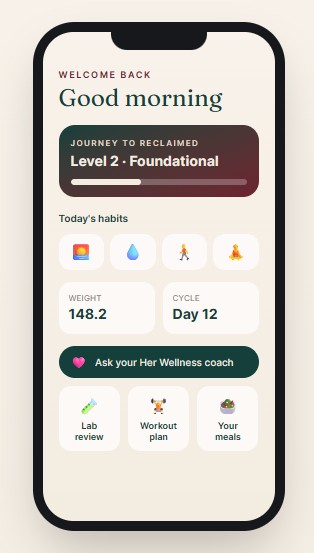
Her Wellness Reclaimed App
Real answers for women with PMOS who are tired of guessing.
Lab-based insight, a custom plan, and a real coach in your corner. Built for high-achieving women who have tried everything and still feel let down by their bodies.
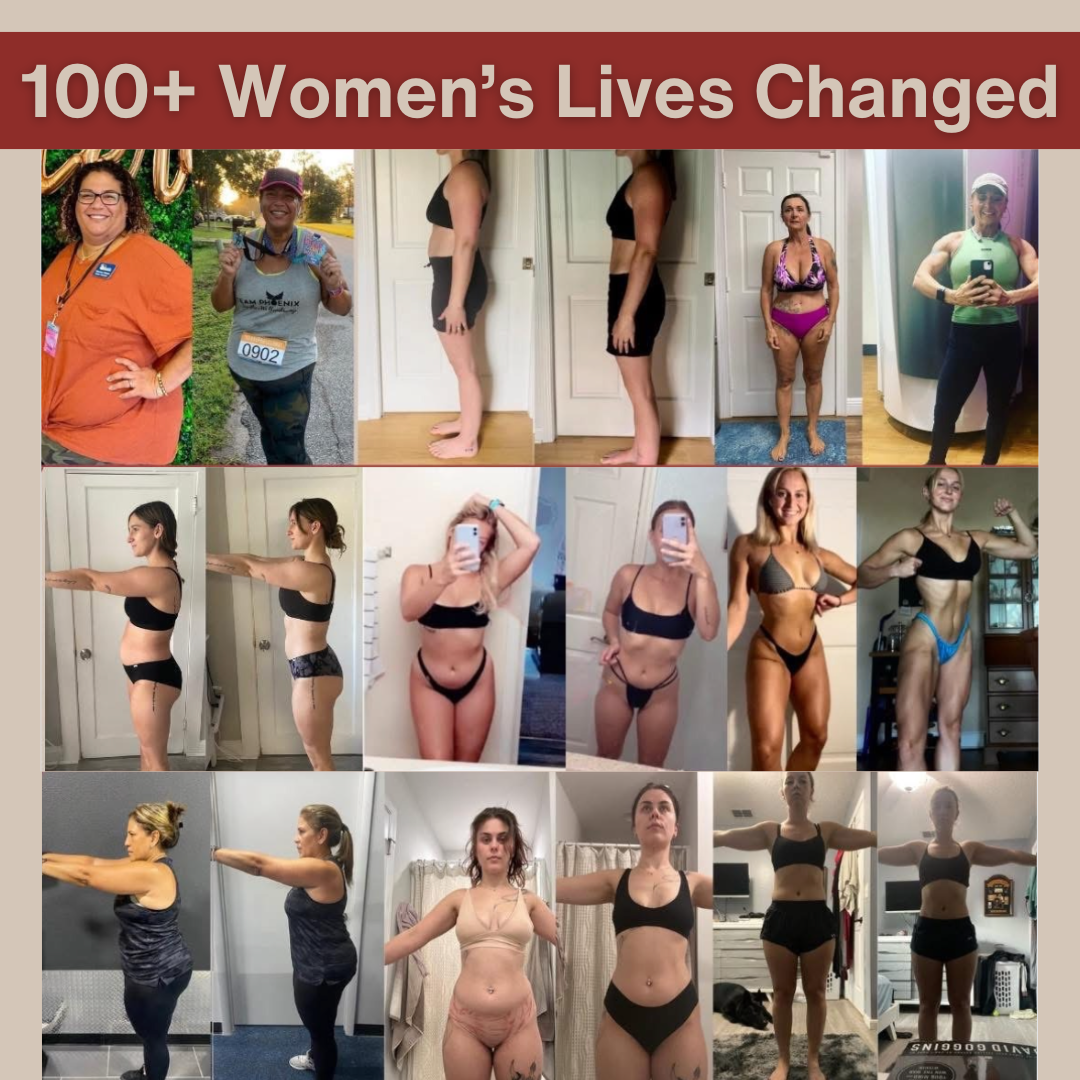
Are You Our Next Success Story?
Hundreds of women have joined our program. Apply now to see if you are a fit.
Click Here to Apply, Mackenzie
Her Wellness Reclaimed
@herwellnessreclaimed
Disclaimer: This post is for educational purposes only and does not constitute medical advice, diagnosis, or treatment. The information shared here is based on published research and is intended to support informed conversations with your healthcare provider. Individual results and experiences vary. Always consult a qualified healthcare professional before making changes to your diet, exercise routine, or health plan.