You eat well. You work out consistently. Your BMI is normal, maybe even on the lower end. And yet you have irregular cycles, facial hair, hair thinning, fatigue that won't quit, and a body that feels completely disconnected from how hard you are taking care of it.
You have brought it up to your doctor. Maybe more than once. And because you do not fit the picture most people associate with PCOS, you have been told your labs are fine, your weight is healthy, and there is nothing to worry about.
There is a name for what you may be dealing with: lean PCOS. It is real, it is documented, and it is one of the most consistently underdiagnosed presentations in women's hormonal health.
PCOS Is a Hormone Condition, Not a Weight Condition
The most common association people make with PCOS is weight gain. It is in almost every article, every pamphlet, every doctor's explanation. And while weight and PCOS are connected for many women, that association has created a clinical blind spot that leaves a significant portion of women without answers for years.
PCOS is fundamentally a hormonal and metabolic condition. The core features, elevated androgens, disrupted signaling between the brain and the ovaries, and often some degree of insulin dysregulation, can occur at any body weight. In lean women, the presentation may look different on the outside, but the underlying hormonal pattern is often the same.
Research has identified that lean PCOS tends to involve a stronger LH-driven component. Elevated luteinizing hormone signals the ovaries to produce more androgens, testosterone, DHEA-S, and related hormones, even in the absence of significant weight gain or visible metabolic disruption. Those androgens drive the symptoms: irregular or absent cycles, facial hair, acne, hair thinning, and a body that is not responding the way it should despite consistent effort.
Why Standard Testing Misses It
Most standard lab panels were not designed with lean PCOS in mind. Fasting glucose is often the marker used to assess insulin-related issues, but research has documented that lean women with PCOS can show normal fasting glucose while fasting insulin is elevated enough to be driving symptoms. Without testing fasting insulin specifically, that piece of the puzzle is invisible.
The same problem applies to androgen testing. Total testosterone may fall within the broad normal range while free testosterone, the form that is biologically active, is elevated. If free testosterone is not requested, the result looks unremarkable. DHEA-S, which reflects adrenal androgen output and is relevant in a subset of PCOS cases, may not be included at all.
LH and FSH ratios, which are particularly informative in lean PCOS, are not part of most routine panels. And without these markers, a woman with lean PCOS may receive a normal lab report while the actual hormonal picture driving her symptoms remains untested.
"A normal BMI does not rule out PCOS. And a normal lab panel does not rule out the hormonal patterns that PCOS creates, especially when the right markers were never ordered."
Why the Standard Advice Makes It Worse
The standard recommendations for PCOS management, eat less, lose weight, exercise more, were built around the most common presentation of the condition. For a woman who is already at a healthy weight and active, this advice does not just fail to help. It can actively work against her hormones.
Caloric restriction is a physiological stressor. It raises cortisol. Elevated cortisol affects the HPA axis and, in turn, disrupts the signaling that governs LH and FSH production. For lean women whose PCOS is already driven by an elevated LH-to-FSH ratio, adding a calorie deficit compounds the hormonal disruption that is already present. The discipline that has defined her approach to health becomes a driver of the symptoms she cannot resolve.
High-intensity training creates a similar dynamic. Chronic high-output exercise raises cortisol and, in some women, has been studied in relation to increased adrenal androgen production. For a lean woman with PCOS who is already training hard and not seeing results, the answer is rarely to train harder. The answer is understanding what her specific hormonal pattern actually requires.
What a More Complete Approach Looks Like
Addressing lean PCOS starts with getting a lab panel that actually shows the full hormonal picture. That means fasting insulin alongside fasting glucose, free and total testosterone, DHEA-S, LH and FSH, a complete thyroid panel, and ferritin. These markers together reveal patterns that a standard workup will not surface, and they determine which interventions are actually relevant for a given person.
From a nutrition standpoint, the priority for most lean women with PCOS is stability, not restriction. Eating consistently, prioritizing protein and fat at each meal, and supporting blood sugar balance throughout the day addresses the insulin component without the cortisol cost of cutting calories. Skipping meals, intermittent fasting, and extended low-calorie periods are approaches that work for some people, but for lean women with PCOS and an already-activated stress response, they tend to make the hormonal picture worse.
Exercise matters, and so does the type. Strength training three to four times per week supports insulin sensitivity and body composition without the cortisol burden of chronic high-intensity cardio. Daily walking is one of the most consistently supported interventions for metabolic health in PCOS research. Recovery, treated as part of the training plan rather than an afterthought, matters more for lean women with PCOS than many realize.
None of this is about doing less or lowering standards. It is about applying the right strategy to the right hormonal pattern, which requires knowing what that pattern actually is.
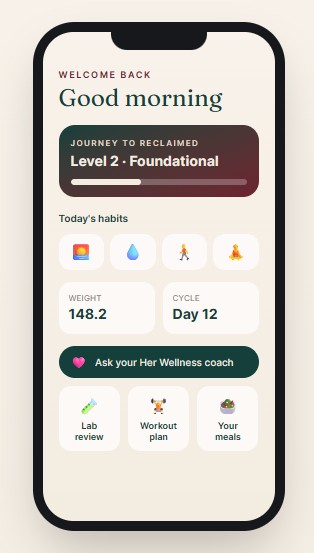
Her Wellness Reclaimed App
Real answers for women with PMOS who are tired of guessing.
Lab-based insight, a custom plan, and a real coach in your corner. Built for high-achieving women who have tried everything and still feel let down by their bodies.
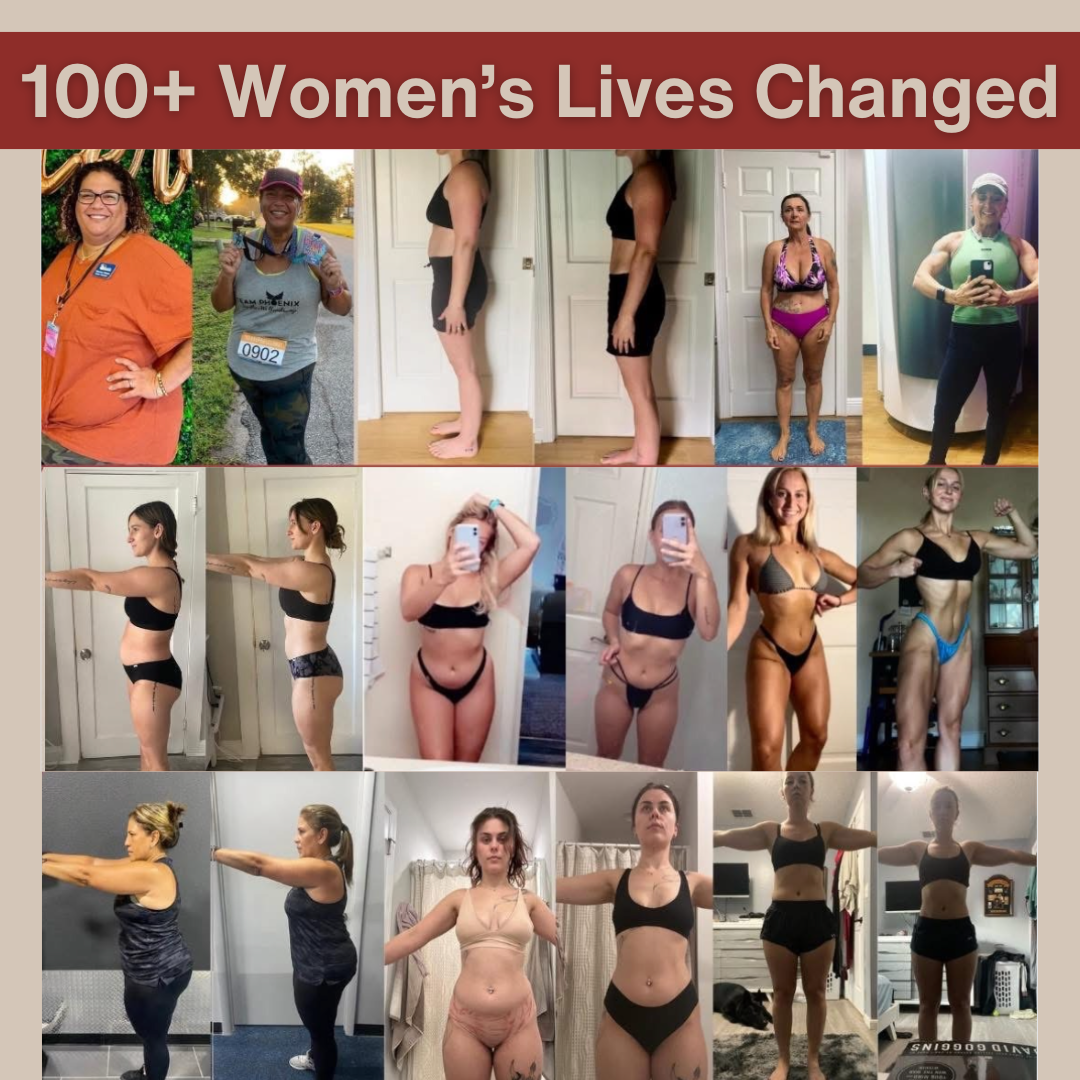
Are You Our Next Success Story?
Hundreds of women have joined our program. Apply now to see if you are a fit.
Click Here to ApplyMackenzie
Her Wellness Reclaimed
@herwellnessreclaimed
Disclaimer: This article is for educational and informational purposes only. It does not constitute medical advice, diagnosis, or treatment. Nothing in this post should be used as a substitute for professional medical guidance. Individual experiences vary significantly. Always consult a qualified and licensed healthcare provider before making any changes to your health care plan, medications, or lifestyle. References to research are for general informational context only and do not imply endorsement or that findings apply to any specific individual.