You've seen it everywhere. Ozempic, Wegovy, semaglutide — GLP-1 medications have taken over the conversation around weight loss, and now they're showing up in PCOS discussions constantly. Women are asking whether they should try it. Doctors are prescribing it more. Social media is split between glowing results and serious side effects.
This article is for educational purposes only and is not a substitute for medical advice. What follows is a grounded, research-based look at what these medications actually do — and what they don't.
What GLP-1 Medications Actually Do
GLP-1 receptor agonists like semaglutide work by mimicking a hormone your gut naturally releases after eating. They slow gastric emptying (food moves through your stomach more slowly), reduce appetite signals to the brain, and improve insulin secretion in response to meals.
For women with PCOS who have significant insulin resistance, published research suggests these medications can improve insulin sensitivity, support weight loss, and lower androgen levels as a downstream effect. Clinical trials are currently underway specifically studying semaglutide in women with PCOS, and early data is showing meaningful metabolic benefits for some participants. This is real, peer-reviewed science.
"The question is not whether GLP-1s have benefits. The question is whether they address what is actually driving your specific PCOS."
What They Won't Fix
GLP-1 medications address one mechanism — appetite regulation and insulin response. They do not address elevated cortisol. They do not correct thyroid dysfunction that may be compounding your symptoms. They do not restore gut health. They do not address nutrient deficiencies commonly associated with PCOS. They do not remove the lifestyle and stress factors actively working against your hormones every day.
Women who use these medications without addressing root causes often see initial progress followed by a plateau — or a return of symptoms if the medication is stopped. Muscle loss is also a documented concern when weight loss happens rapidly without adequate protein intake and resistance training alongside the medication.
What the Headlines Leave Out
GLP-1 medications are not FDA-approved specifically for PCOS. They are being used off-label for this purpose. That doesn't make them wrong for every woman, but it does mean there is currently no standardized prescribing protocol for PCOS specifically — and the decision should be made with full information, alongside a qualified healthcare provider who knows your complete picture.
- Not appropriate for everyone — contraindicated in certain conditions including personal or family history of medullary thyroid carcinoma
- Side effects are real and vary significantly between individuals
- Long-term data specific to PCOS is still emerging
- Results vary significantly based on individual metabolic profile
The Bigger Picture
For some women with PCOS — particularly those with significant insulin resistance and metabolic dysfunction — a GLP-1 medication may be one appropriate tool as part of a comprehensive, supervised protocol. It is not a standalone fix, and it is not the right tool for every woman with PCOS.
The women who get lasting results are the ones who understand what is actually driving their symptoms and build a strategy around that full picture — whether medications are part of it or not.
If you're considering a GLP-1 medication, that conversation starts with knowing your labs and your full hormone picture. Please work with a licensed healthcare provider who can evaluate your individual situation before making any medication decisions.
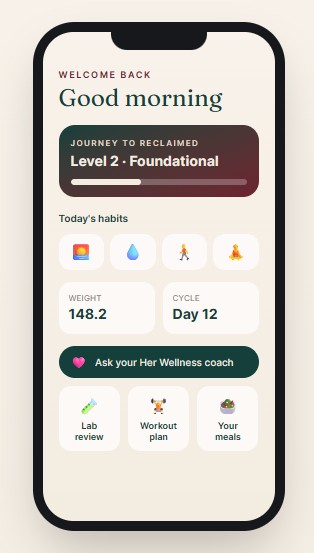
Her Wellness Reclaimed App
Real answers for women with PMOS who are tired of guessing.
Lab-based insight, a custom plan, and a real coach in your corner. Built for high-achieving women who have tried everything and still feel let down by their bodies.
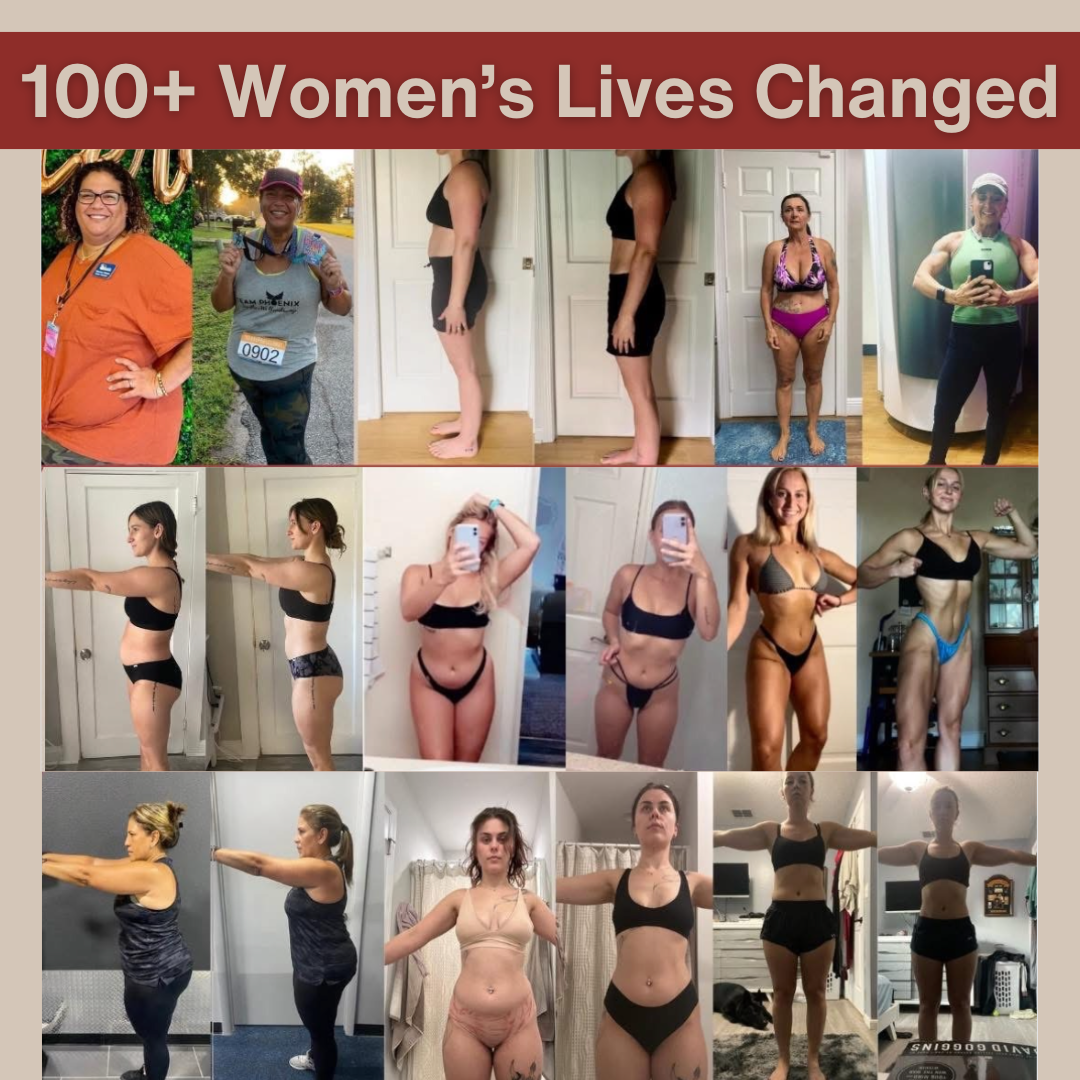
Are You Our Next Success Story?
Hundreds of women have joined our program. Apply now to see if you are a fit.
Click Here to Apply