You were on the pill for years. Your skin was clear, your cycles were regular, and everything felt manageable. Then you stopped — maybe because you wanted to get pregnant, maybe because you just didn't want to be on hormonal birth control anymore — and within a few months, everything changed.
The acne came back worse than it ever was before. Your cycles became irregular or disappeared entirely. You started gaining weight without changing anything. Facial hair appeared. Fatigue hit harder. You went back to your doctor and were told either that this was normal post-pill adjustment, or that you now have PCOS.
Here is what is actually happening — and why the standard explanation leaves out the most important part.
What Birth Control Actually Does to Your Hormones
Hormonal birth control works by suppressing the hypothalamic-pituitary-ovarian (HPO) axis — the communication system between your brain and your ovaries. It introduces synthetic hormones that prevent ovulation and override your natural cycle entirely. Your ovaries go quiet. Androgen production drops. Estrogen and progesterone are delivered artificially in controlled amounts. Your cycle becomes a pharmaceutical cycle, not a hormonal one.
For women with PCOS, this suppression creates the appearance of hormonal balance that was never actually there. The insulin resistance driving androgen production is still present. The ovarian dysfunction is still there. The underlying hormonal pattern that defines PCOS has not changed. It has been masked. The pill gave you a working cycle the same way a cast gives you a functional arm — it is not healing anything underneath.
"The pill didn't fix your hormones. It paused the conversation your body was trying to have with you. Coming off it just means that conversation starts again."
Why Symptoms Seem Worse After Stopping Than Before Starting
This is the part that confuses most women — and most doctors. The symptoms after stopping the pill often feel more severe than what was there originally, which leads many women to assume the pill caused the PCOS or that coming off it broke something.
What is more likely happening is a rebound effect. The HPO axis, after years of suppression, takes time to reestablish its own rhythm. During that recalibration period, androgen levels can spike higher than baseline as the ovaries and adrenal glands resume production without the synthetic hormone suppression that was keeping them in check. Some research has described this as a rebound androgenization effect — a temporary but significant surge in testosterone and DHEA-S that can produce more pronounced symptoms than the pre-pill baseline.
Additionally, the pill depletes several nutrients that are important for hormonal health — including zinc, magnesium, B vitamins, and vitamin C. Years of depletion means many women come off the pill in a nutritionally compromised state that makes hormonal recovery slower and symptom severity higher.
What Most Doctors Miss in This Conversation
The standard medical response to post-pill PCOS symptoms is one of two things: wait it out, or go back on the pill. Neither addresses what is actually driving the symptoms. Waiting is appropriate if the HPO axis simply needs time to recalibrate. But if insulin resistance and elevated androgens are the underlying drivers — as they are in the majority of PCOS cases — waiting without addressing those drivers means waiting for symptoms that will not resolve on their own.
The critical missing step is testing. Not a basic lab panel, but a full functional panel that looks at fasting insulin, free and total testosterone, DHEA-S, full thyroid function, cortisol, and key nutrient markers. This panel shows you what the pill was suppressing and gives you a real starting point for recovery rather than guesswork.
What Actually Supports Hormonal Recovery After the Pill
The most important thing you can do in the months after stopping hormonal birth control is address insulin resistance if it is present. Insulin resistance is the primary androgen driver in most PCOS cases, and it is what keeps androgen levels elevated long after the initial rebound period. Prioritizing protein and fiber at every meal, reducing refined carbohydrates, incorporating strength training and daily walking, and addressing sleep and stress are the foundational tools for this.
Replenishing the nutrients depleted by years of hormonal birth control supports the recovery process. Zinc is particularly important for androgen metabolism and skin health. Magnesium glycinate supports insulin sensitivity, sleep, and cortisol regulation. B vitamins support methylation and hormone clearance. These are not supplements to take randomly — they are most effective when the specific deficiencies are confirmed through testing.
The timeline for recovery is real. For some women, symptoms improve significantly within 3-6 months once the root cause is being addressed directly. For others, especially those who have been on hormonal birth control for a decade or more, the process is slower. Understanding your specific hormonal picture is what tells you which path you are on and what approach will move the needle fastest.
You are not broken. Your body is showing you what was there all along. The question is what you do with that information.
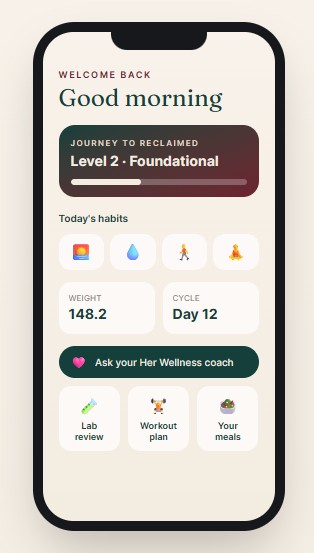
Her Wellness Reclaimed App
Real answers for women with PMOS who are tired of guessing.
Lab-based insight, a custom plan, and a real coach in your corner. Built for high-achieving women who have tried everything and still feel let down by their bodies.
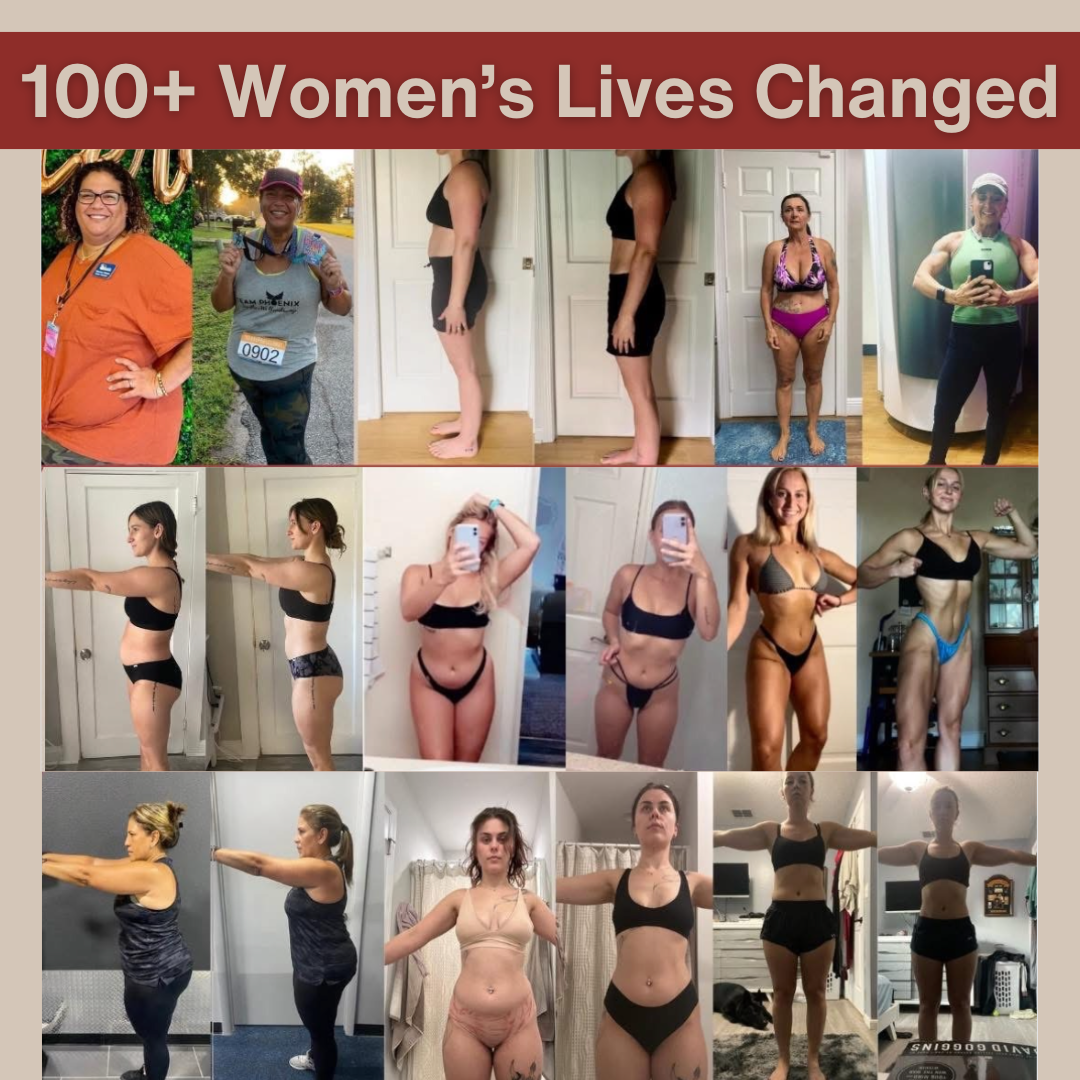
Are You Our Next Success Story?
Hundreds of women have joined our program. Apply now to see if you are a fit.
Click Here to ApplyMackenzie
Her Wellness Reclaimed
@herwellnessreclaimed
Disclaimer: This post is for educational purposes only and does not constitute medical advice, diagnosis, or treatment. Always consult a qualified healthcare professional before making changes to your birth control or care plan.