Of all the PCOS symptoms women deal with, facial hair is one of the most frustrating , and one of the least talked about. You're already managing fatigue, weight that won't move, and irregular cycles. And now this. You've probably tried waxing, threading, laser treatments, and everything in between. Those things may manage the hair. They do nothing for what's causing it.
Research suggests that approximately 70% of women with PCOS experience unwanted facial or body hair growth, a condition called hirsutism. Understanding why it happens is the first step toward actually addressing it at the source , rather than managing the symptom indefinitely while the underlying driver keeps going unchecked.
This post is educational and not a substitute for individualized medical care. But understanding the mechanism may help you ask better questions and recognize why surface-level solutions have their limits.
What's Actually Causing the Hair Growth
Androgens are hormones present in all women, but women with PCOS often have higher circulating levels of androgens like testosterone and DHEA-S (dehydroepiandrosterone sulfate), produced by both the ovaries and adrenal glands. When androgen levels are elevated, they can bind to receptors in hair follicles and trigger the conversion of fine, light vellus hair into thicker, darker terminal hair , the kind that grows on the chin, upper lip, jawline, and chest.
There's also an enzyme called 5-alpha reductase that plays a significant role. This enzyme converts testosterone into dihydrotestosterone (DHT), which is even more potent at activating hair follicles. Some women have higher 5-alpha reductase activity in their skin and hair follicles, which means they may experience more noticeable hair growth even when their circulating androgen levels appear only mildly elevated on standard blood tests. This is part of why two women with similar testosterone levels can have very different experiences with hirsutism.
Insulin resistance is another important piece. When the body becomes less responsive to insulin, it compensates by producing more of it. Research has shown that elevated insulin levels can stimulate the ovaries to produce more androgens , creating a cycle where insulin resistance drives androgen excess, which drives symptoms like facial hair, acne, and hair thinning. Addressing insulin resistance is therefore a meaningful part of addressing androgen-driven symptoms, not just the hair removal itself.
"Removing the hair manages the symptom. It doesn't touch the androgen activity underneath. That's why it keeps coming back."
Why Standard Advice Keeps You Stuck
Most advice for PCOS facial hair focuses on the hair itself , laser, waxing, threading, topical creams. These all have their place for managing the cosmetic side of hirsutism, and there's nothing wrong with using them. But they address the output of an ongoing hormonal process, not the process itself. As long as androgen activity remains elevated, the hair will continue to grow back.
The other common recommendation is birth control pills, which can lower androgen production by suppressing ovarian function. This can reduce symptoms for some women while they're on it, but it doesn't identify or address the underlying driver , whether that's insulin resistance, adrenal androgen excess, elevated 5-alpha reductase activity, or some combination. When someone comes off birth control, the androgen picture is often unchanged from where it was before. Understanding which specific androgens are elevated and where they're coming from shapes what approach is most appropriate , which is why testing matters before assuming a strategy.
What Actually Makes a Difference
Because there are multiple potential drivers of androgen excess in PCOS, the most useful starting point is knowing which ones apply to you specifically. Testosterone, free testosterone, DHEA-S, androstenedione , these all tell a different part of the story. A testosterone that looks "normal" on a basic panel may still be functionally high if sex hormone binding globulin (SHBG) is low, because low SHBG means more free, active testosterone available to act on your tissues. Standard panels often miss this nuance.
Improving insulin sensitivity has shown meaningful effects on androgen levels in research on PCOS. Approaches that support blood sugar regulation , eating in a way that limits sharp insulin spikes, incorporating resistance training, prioritizing sleep, and managing stress , may help reduce the insulin-driven androgen production over time. These aren't quick fixes, and they don't replace individualized medical care. But they address a root driver that most surface-level treatments completely skip.
For women whose androgen excess is coming primarily from the adrenal glands rather than the ovaries, the approach may look different , which is another reason understanding your specific pattern matters. Adrenal androgen excess is often tied to HPA axis dysregulation and stress, which links back to the cortisol conversation. There's rarely just one thing going on.
The Part Nobody Tells You
Facial hair from PCOS is not a cosmetic issue that exists separately from the rest of your health. It's a signal. It's your body telling you that androgen activity is elevated, that something in the hormonal environment is off, and that the usual approaches haven't gotten to the root of it. Treating it as purely cosmetic means managing it forever without it ever improving. Treating it as a symptom of something specific , something that can be identified and addressed , is a different conversation entirely.
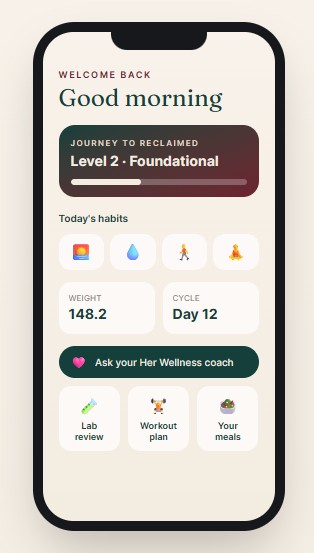
Her Wellness Reclaimed App
Real answers for women with PMOS who are tired of guessing.
Lab-based insight, a custom plan, and a real coach in your corner. Built for high-achieving women who have tried everything and still feel let down by their bodies.
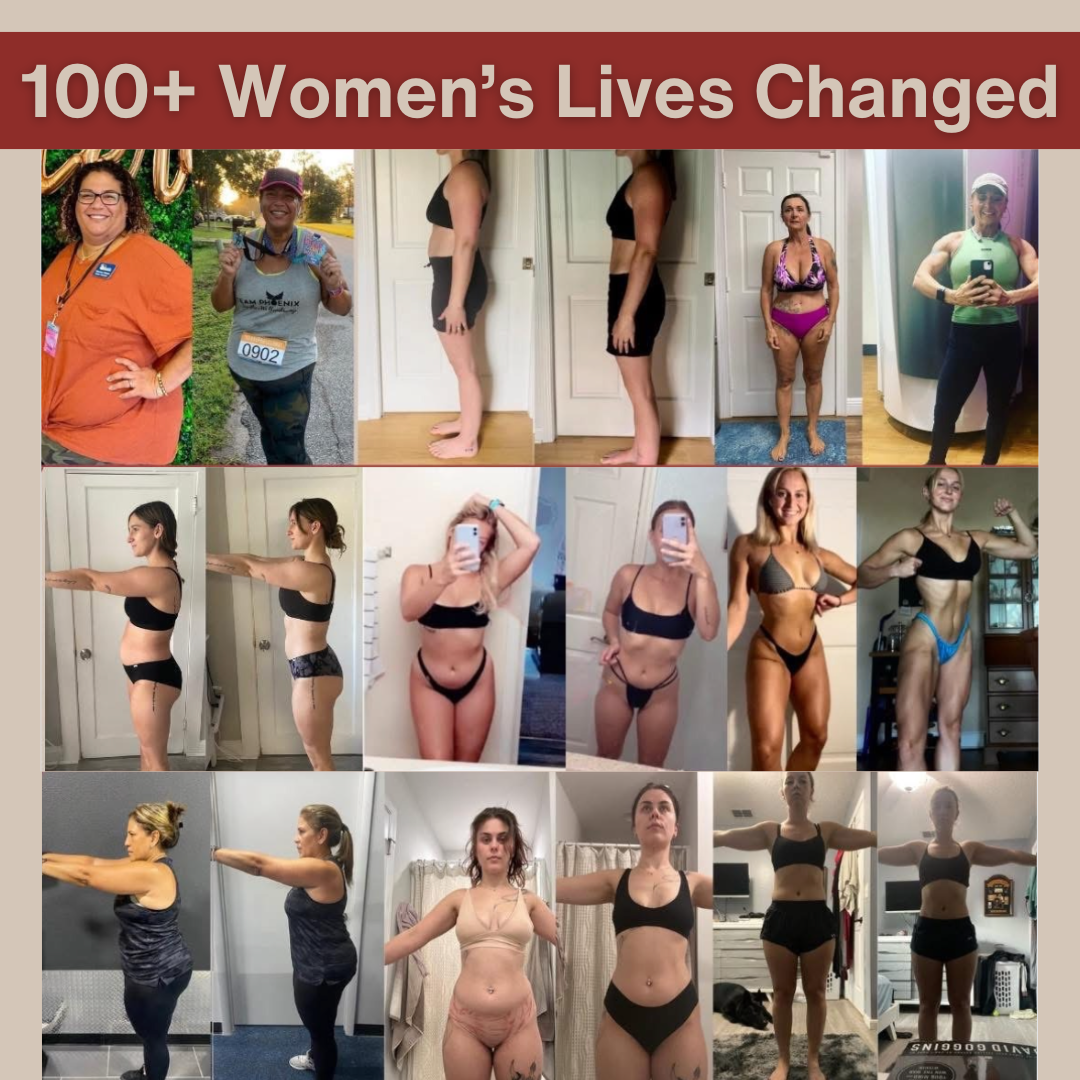
Are You Our Next Success Story?
Hundreds of women have joined our program. Apply now to see if you are a fit.
Click Here to Apply, Mackenzie
Her Wellness Reclaimed
@herwellnessreclaimed
Disclaimer: This post is for educational purposes only and does not constitute medical advice, diagnosis, or treatment. The information shared here is based on published research and is intended to support informed conversations with your healthcare provider. Individual results and experiences vary. Always consult a qualified healthcare professional before making changes to your health plan.