You served. You pushed through sleep deprivation, back-to-back deployments, PT at 0500, and years of putting your body through things most people cannot imagine. You got out thinking the hardest part was behind you.
Then your hormones fell apart.
If you left the military and found yourself gaining weight you cannot explain, dealing with irregular cycles, exhaustion that sleep does not fix, or symptoms your VA doctor keeps dismissing — this is not in your head. And it is not because you stopped being as active as you were in service.
This post is for educational purposes only. It is not a substitute for medical care. But if you have been told everything looks fine and you still feel terrible, it may be worth understanding what the research says about hormones, military service, and why standard testing does not always tell the full story.
What Years of Military Service May Do to Your Hormones
Your body does not distinguish between a combat deployment and a life-threatening event. It responds to stress through the HPA axis, the system that controls cortisol, your body's primary stress hormone. When the HPA axis is activated repeatedly over months and years, research suggests it can begin to affect downstream hormonal systems including insulin regulation, thyroid function, and androgen production.
For women who have PCOS or a genetic predisposition to it, sustained periods of high physiological and psychological stress may amplify the hormonal patterns already associated with the condition. Cortisol, when chronically elevated, has been studied in relation to insulin sensitivity and adrenal androgen output. These are the same mechanisms that researchers have linked to the weight gain, irregular cycles, fatigue, and androgen-driven symptoms that many women with PCOS experience.
What the research does not support is the idea that these effects automatically resolve the moment service ends. The HPA axis can take significant time to recalibrate, and without targeted support, some women report that symptoms persist or worsen in the months and years following separation from service.
"The hormonal effects of years of sustained military stress do not come with a discharge date. For some women, the real fallout shows up after they leave."
Why Standard VA Testing May Miss the Full Picture
Military medicine was built largely around a male population. Research on gaps in women's healthcare within the VA system is well documented, and hormonal health is one of the areas most frequently cited. A standard workup for symptoms like fatigue, weight gain, or cycle irregularities may not include the markers that give a more complete picture of what is happening hormonally.
Fasting insulin, for example, is rarely included in a standard panel despite being one of the most relevant markers for understanding insulin resistance in PCOS. Free testosterone and DHEA-S, both connected to androgen activity, may be omitted. A full thyroid panel that includes T3, reverse T3, and thyroid antibodies may not be ordered if TSH appears within range. When these markers are not tested, it is genuinely possible for labs to come back within normal limits while the underlying hormonal picture remains incomplete.
This is not a criticism of individual providers. It is a structural gap in what standard care looks at, and female veterans with PCOS symptoms are among those most affected by it.
The Symptoms That Often Get Attributed to Something Else
Many female veterans describe a pattern where PCOS-related symptoms are attributed to adjustment after service, mental health factors, or simply the demands of transition. Fatigue is assumed to be related to the difficulty of returning to civilian life. Weight that does not respond to diet and exercise is attributed to a less active lifestyle post-service. Irregular cycles are treated as a temporary response to stress rather than a hormonal pattern worth investigating.
These explanations are not always wrong. But when they become the default response without a thorough hormonal workup, women who have PCOS or an underlying hormonal condition may go years without understanding what is actually driving their symptoms. The validation gap for female veterans in healthcare settings is real, and it is particularly pronounced in areas like hormonal health that have historically received less research attention.
What a More Complete Picture May Look Like
Understanding what is actually driving symptoms requires testing that goes beyond a standard panel. This is not about diagnosing yourself or bypassing your healthcare provider. It is about knowing which questions to ask and which markers are worth requesting.
Functional health practitioners working with PCOS often look at fasting insulin alongside glucose, free and total testosterone, DHEA-S, a full thyroid panel, ferritin, and sometimes a cortisol pattern across the day. These markers together can reveal patterns that a standard workup may not surface. That information changes what interventions are most relevant for a given person.
From a lifestyle standpoint, the approach that tends to be most supportive for women navigating PCOS after high-stress environments is not the same approach that may have served you in service. High-intensity training, for example, has been studied in relation to cortisol output and androgen production in some women with PCOS. It is not universally harmful, but it is not universally helpful either. Knowing your hormonal baseline determines which levers actually move the needle for your body.
Sleep, food quality, and the type of movement that supports rather than stresses your hormonal system are the foundations. Not as soft alternatives to real treatment, but as the actual evidence-based interventions that address root-cause drivers of PCOS symptoms.
You spent years operating with precision under pressure. Your health deserves that same level of specificity. Not generic advice. Not being told everything looks fine when it does not feel fine. A real strategy built around what your body is actually showing.
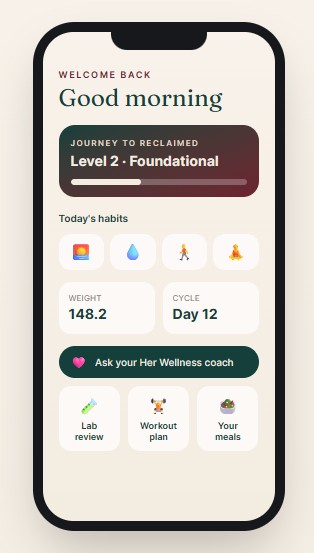
Her Wellness Reclaimed App
Real answers for women with PMOS who are tired of guessing.
Lab-based insight, a custom plan, and a real coach in your corner. Built for high-achieving women who have tried everything and still feel let down by their bodies.
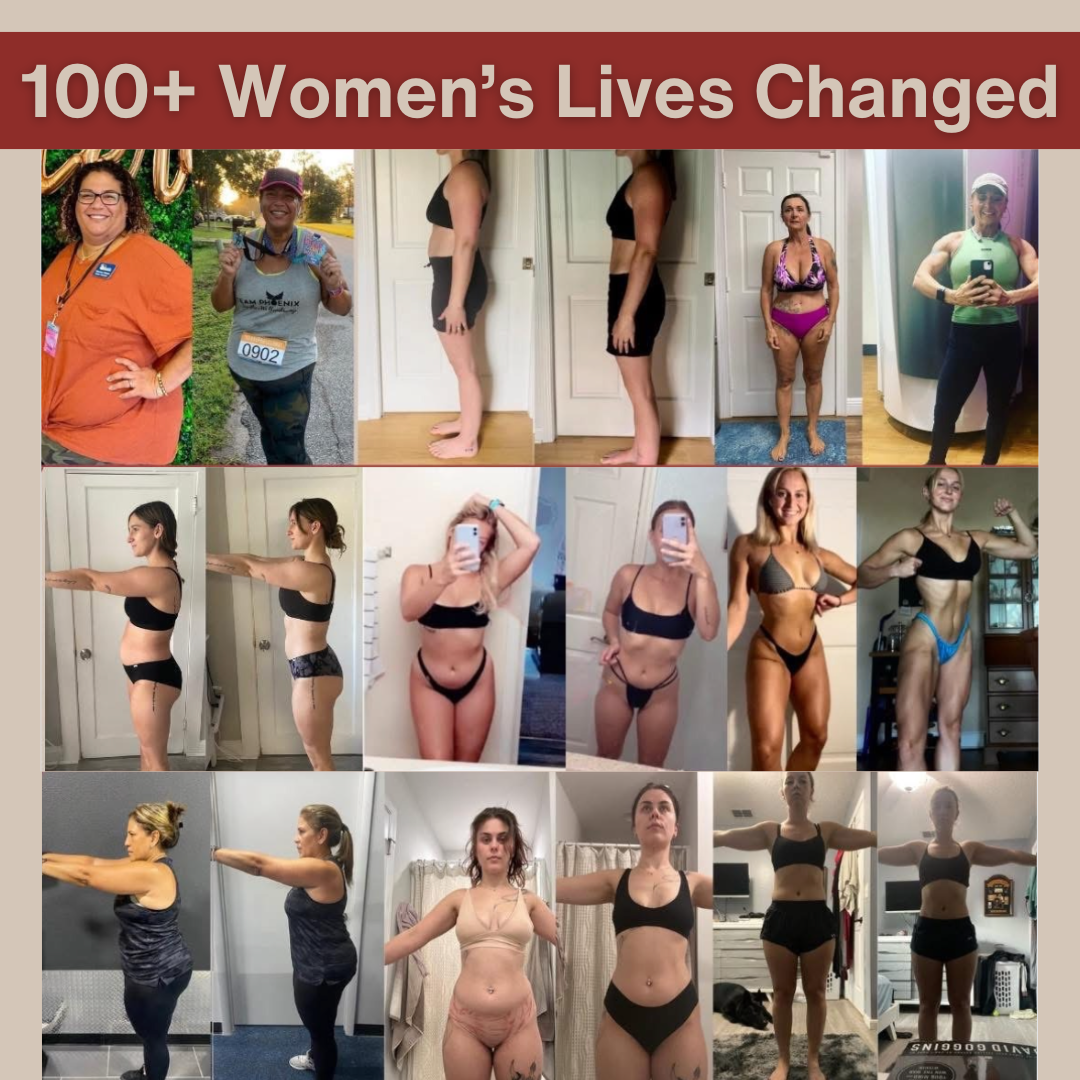
Are You Our Next Success Story?
Hundreds of women have joined our program. Apply now to see if you are a fit.
Click Here to ApplyMackenzie
Her Wellness Reclaimed
@herwellnessreclaimed
Disclaimer: This article is for educational and informational purposes only. It does not constitute medical advice, diagnosis, or treatment. Nothing in this post should be used as a substitute for professional medical guidance. Individual experiences vary significantly. Always consult a qualified and licensed healthcare provider before making any changes to your health care plan, medications, or lifestyle. References to research are for general informational context only and do not imply endorsement or that findings apply to any specific individual.