If you are a woman in the military dealing with PCOS, you already know what it means to push through. It's part of the culture. It's part of who you are. You show up, you perform, and you don't make excuses. The problem is that PCOS doesn't care how disciplined you are. And the specific demands of military service create a hormonal environment that can make PCOS significantly harder to manage, even when you are doing everything right by every other standard.
This is not a post about slowing down or lowering your standards. It's about understanding why the same system that makes you exceptional at your job may also be working against your hormones, and what the research actually says about PCOS in active-duty women.
What the Research Shows About Military Women and PCOS
A study examining ovarian dysfunction and PCOS in the U.S. military active component from 2014 to 2023 found that PCOS incidence increased from approximately 32 cases per 10,000 person-years in 2014 to over 60 cases per 10,000 person-years in 2023 among female active-duty service members. A separate analysis found that prevalence among female active-duty service members increased from 210 per 10,000 in 2018 to 380 per 10,000 by 2022. Researchers have also noted that PCOS and its associated complications have significant implications for military operational readiness.
A qualitative study examining the lived experience of women with PCOS in the military found that service members frequently reported delays in diagnosis, difficulty managing symptoms within the demands of military life, and limited access to PCOS-specific care through military healthcare. Many described a pattern that will sound familiar: pushing through symptoms, being told their labs were within normal limits, and receiving generic advice that did not account for the specific physical demands of their service.
This is not a coincidence. Military life stacks several of the most significant drivers of PCOS dysfunction on top of each other, and doing it for years while trying to meet fitness and performance standards creates a compounding hormonal challenge that general PCOS guidance was never designed to address.
Why Military Life Is a Perfect Storm for PCOS
High-intensity physical training is a cornerstone of military fitness standards. Running, rucking, obstacle courses, and high-output physical tests are not optional. For women with PCOS, however, chronic high-intensity exercise can contribute to elevated cortisol, which research has linked to increased adrenal androgen production and worsened insulin resistance in some women with PCOS. The fitness demands that define military readiness may be the same demands that are amplifying hormonal symptoms for female service members who have PCOS or an underlying predisposition to it.
Sleep disruption is another major factor. Shift work, deployments, training cycles, and operational demands mean that many active-duty women are managing chronic sleep debt. Sleep and cortisol have a direct feedback relationship. Insufficient sleep raises cortisol. Elevated cortisol disrupts sleep further. Over time, this cycle affects blood sugar regulation, androgen levels, and menstrual cycle regularity. These are not peripheral symptoms. Irregular cycles, increased androgen-driven symptoms like acne and facial hair, and stubborn weight gain are documented features of PCOS that can worsen under conditions of chronic sleep disruption.
Caloric restriction is a third factor that warrants attention. Female service members are often managing body composition standards while simultaneously meeting the energy demands of physically intensive training. Under-fueling relative to output is a physiological stressor. Research has shown that significant caloric restriction can elevate cortisol in some individuals, which compounds the hormonal burden for women who are already managing PCOS. The drive to stay within weight and appearance standards may push some women toward patterns of eating that are actively working against their hormonal health.
"The discipline that makes you exceptional at your job is the same discipline that can push your hormones past a threshold they can no longer compensate for."
The Symptoms That Get Missed or Dismissed
Women in the military often describe a pattern where PCOS symptoms are attributed to the demands of service rather than investigated as a hormonal condition. Irregular or absent periods are sometimes treated as normal for women under high physical and psychological stress, rather than as a clinical sign worth investigating. Fatigue is assumed to be training load. Weight that doesn't respond to caloric restriction and increased output is attributed to effort or discipline rather than a metabolic driver. Acne and facial hair are managed cosmetically without looking at the androgen picture underneath.
The result is that many military women with PCOS go years without a diagnosis or without connecting their symptoms to an underlying hormonal pattern that could be addressed more directly. The research on delays and underdiagnosis in this population reflects that. Getting a clearer picture requires testing that goes beyond a basic panel and a provider who understands both PCOS and the specific context of military service demands.
What May Help Within the Reality of Military Life
Managing PCOS within the constraints of military service is genuinely more difficult than managing it in a civilian context. You cannot always control your sleep schedule, your training intensity, or your meal timing. What you can do is understand which levers have the most impact for your specific hormonal pattern, so that the choices you do have control over are working for your body rather than against it.
Prioritizing food quality and adequate protein when you do have control over meals can support blood sugar stability and reduce the cortisol-insulin cascade that worsens PCOS symptoms. When lower-intensity movement is an option in your training, using those sessions for recovery rather than adding more output can reduce the cumulative cortisol load. Sleep, even imperfect sleep, remains one of the highest-leverage variables for hormonal health when you can prioritize it.
The more important starting point, however, is knowing what is actually driving your symptoms. PCOS is not one condition with one root cause. Whether your primary driver is insulin resistance, adrenal androgen excess, cortisol dysregulation, thyroid involvement, or some combination of these matters enormously for what approach makes the most difference. A standard lab panel will often miss the specifics. Functional testing that looks at your full hormonal picture gives you real data to work from rather than guesswork.
You have spent your career operating with precision in high-stakes environments. Your health deserves the same approach. Not generic advice. Not pushing through symptoms indefinitely. A strategy built around what your body is actually showing.
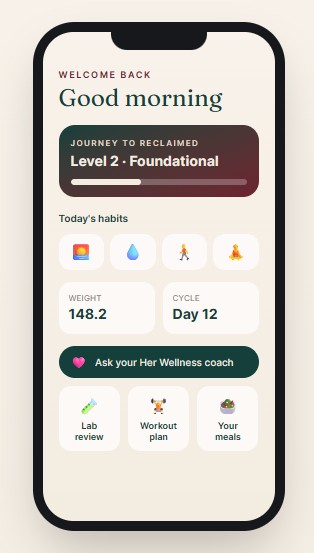
Her Wellness Reclaimed App
Real answers for women with PMOS who are tired of guessing.
Lab-based insight, a custom plan, and a real coach in your corner. Built for high-achieving women who have tried everything and still feel let down by their bodies.
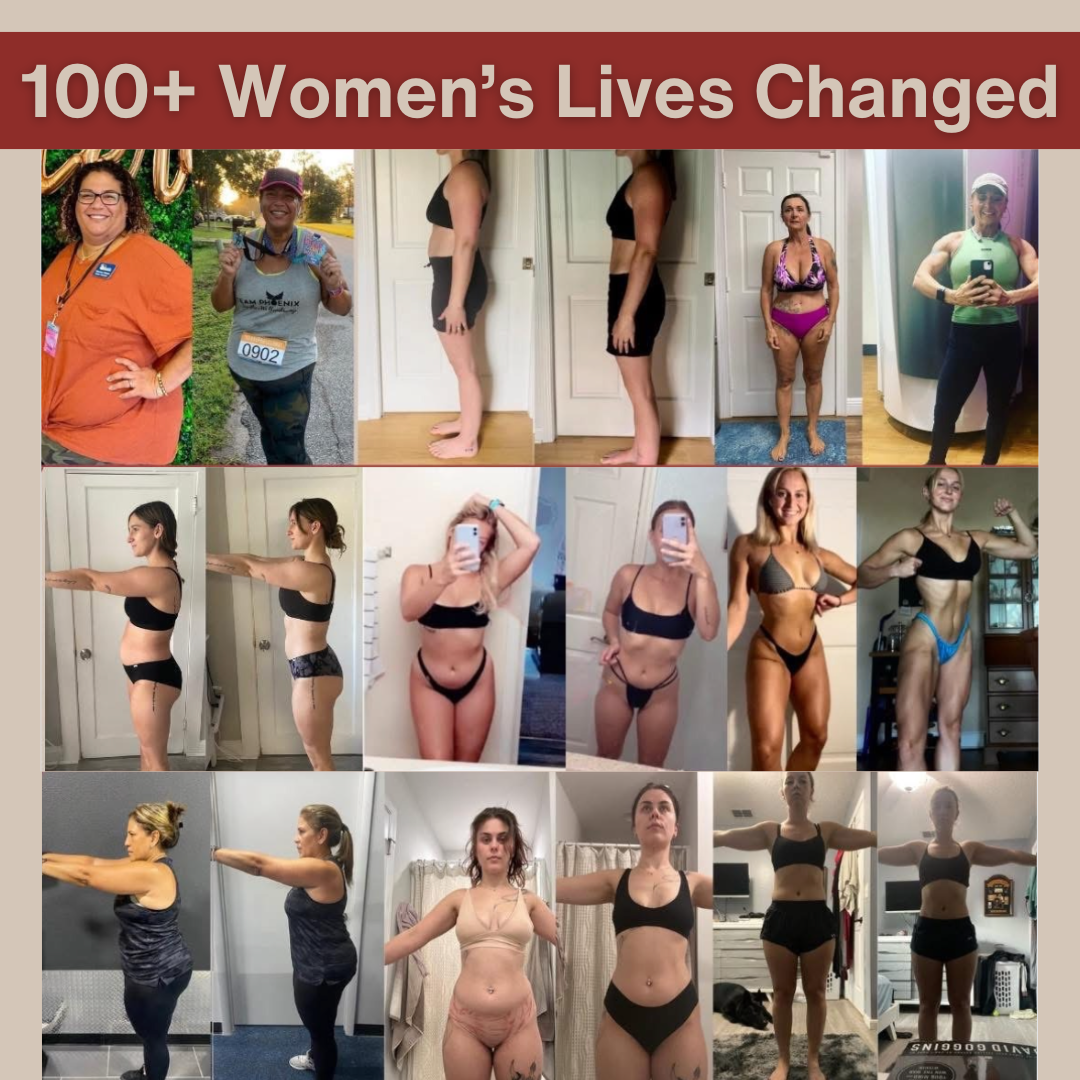
Are You Our Next Success Story?
Hundreds of women have joined our program. Apply now to see if you are a fit.
Click Here to ApplyMackenzie
Her Wellness Reclaimed
@herwellnessreclaimed
Disclaimer: This post is for educational purposes only and does not constitute medical advice, diagnosis, or treatment. Statistics cited are drawn from peer-reviewed military medical research. Individual experiences vary. Always consult a qualified healthcare professional regarding your personal health situation before making changes to your care plan.