If you are a nurse, a paramedic, a ER tech, a police officer, or anyone else whose job runs through the night, you already know your body operates differently than most people's. You have adapted. You push through. You make it work.
But if you also have PCOS, night shift work is not just inconvenient. It is actively working against your hormones in ways that most PCOS content never addresses, because most PCOS content assumes you sleep at night like everyone else.
This post is for the women who don't. Here's what's actually happening in your body, and what you can actually do about it within the reality of shift work.
Why Your Body Clock and Your PCOS Are in Direct Conflict
Your body runs on a circadian rhythm, a 24-hour internal clock that coordinates virtually every physiological process, including cortisol release, insulin sensitivity, reproductive hormones, and melatonin production. This clock is anchored to light and dark cycles. When you work through the night and sleep during the day, you are putting your body in a state of permanent circadian misalignment. It cannot fully adapt because your environment keeps overriding the signals it needs.
For women without PCOS, this is difficult. For women with PCOS, it is compounding. Here is why.
Cortisol normally peaks in the early morning to help you wake up and tapers off through the day. In shift workers, this rhythm is inverted or blunted, meaning cortisol is elevated at the wrong times. Elevated cortisol directly worsens insulin resistance, the core driver of most PCOS symptoms. It also signals the adrenal glands to produce more androgens, including DHEA-S and testosterone, which drive the acne, facial hair, weight gain, and cycle disruption that define PCOS for most women.
What Night Shift Does to Your PCOS Hormones Specifically
Melatonin is not just a sleep hormone. Research has shown that melatonin receptors are present in ovarian tissue and that melatonin plays a role in regulating follicular development and ovulation. Shift work chronically suppresses melatonin production through light exposure at night. For women with PCOS who already have irregular cycles and ovulatory dysfunction, this is a compounding factor that almost never gets discussed in standard PCOS guidance.
Insulin sensitivity follows a daily rhythm, your cells are naturally more insulin-sensitive in the morning and less sensitive at night. When you eat during the night shift, you are eating at the time your body is physiologically least equipped to handle carbohydrates. Blood sugar spikes are higher, insulin response is greater, and the downstream androgen production that follows is amplified. This is why shift workers with PCOS often find that the same foods that seem manageable on days off cause noticeably more symptoms during night shift weeks.
Leptin and ghrelin, the hormones that regulate hunger and satiety, are also disrupted by shift work. Ghrelin rises during night shifts even when caloric needs are met, creating intense sugar and carbohydrate cravings that are not a matter of willpower. They are a biology problem. Women with PCOS already tend to have leptin resistance, which makes satiety signals weaker. Night shift compounds this significantly.
"The cravings you feel at 3am during a night shift are not weakness. They are the product of four separate hormonal systems all pushing in the same direction at once."
Why Standard PCOS Advice Fails Shift Workers
Most PCOS guidance assumes a standard daily schedule. Eat breakfast. Exercise in the morning. Prioritize sleep hygiene. These recommendations are built around a circadian framework that does not apply to women who rotate between days and nights or who work permanent night shifts.
Telling a night shift nurse to "reduce stress and get 8 hours of sleep" is not wrong, it is just completely disconnected from the reality of her life. What is more useful is understanding which variables you actually have control over in your specific schedule, and targeting those with precision.
What Actually Helps for PCOS on Night Shift
You cannot eliminate the circadian disruption entirely. But you can reduce its hormonal impact significantly with targeted choices in the areas you do control.
Food timing and composition matter more on night shift than almost anything else. Eating protein and fat first at the start of your shift, rather than reaching for the carbohydrates that feel easier, blunts the blood sugar spike that your body is least equipped to handle at night. A high-protein meal before your shift begins sets a more stable metabolic baseline for the hours ahead. Keeping protein-rich snacks accessible during the shift reduces the point at which cravings become overwhelming.
Light management at the end of shifts can meaningfully support melatonin recovery and help your body transition back into a rest state faster. Blue-light blocking glasses worn in the last two hours of your shift and on the drive home allow melatonin to begin rising before you reach your sleep environment. Blackout curtains and a cool, dark room are non-negotiable for shift workers trying to support hormonal recovery during daytime sleep.
Consistency on your days off matters more than most shift workers realize. The temptation to flip back to a day schedule on days off feels natural, but it is one of the most hormonally disruptive patterns for women with PCOS. A consistent anchor sleep time, even if it is not identical to your shift schedule, reduces the magnitude of cortisol dysregulation significantly compared to swinging between nocturnal and diurnal patterns every few days.
Knowing your specific hormonal root cause is the foundation under all of this. Shift work amplifies PCOS across the board, but whether your primary driver is insulin resistance, adrenal androgen excess, thyroid involvement, or cortisol dysregulation changes which interventions have the most leverage for you specifically. A functional lab panel that looks at the full picture, not just a basic blood panel, gives you real data to work from.
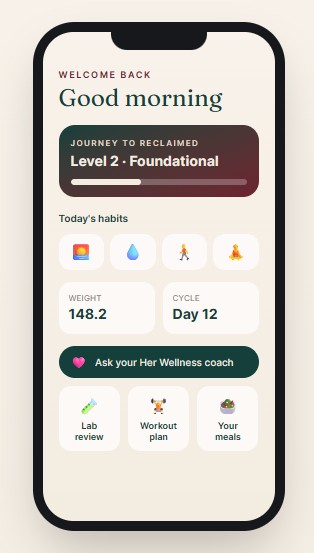
Her Wellness Reclaimed App
Real answers for women with PMOS who are tired of guessing.
Lab-based insight, a custom plan, and a real coach in your corner. Built for high-achieving women who have tried everything and still feel let down by their bodies.
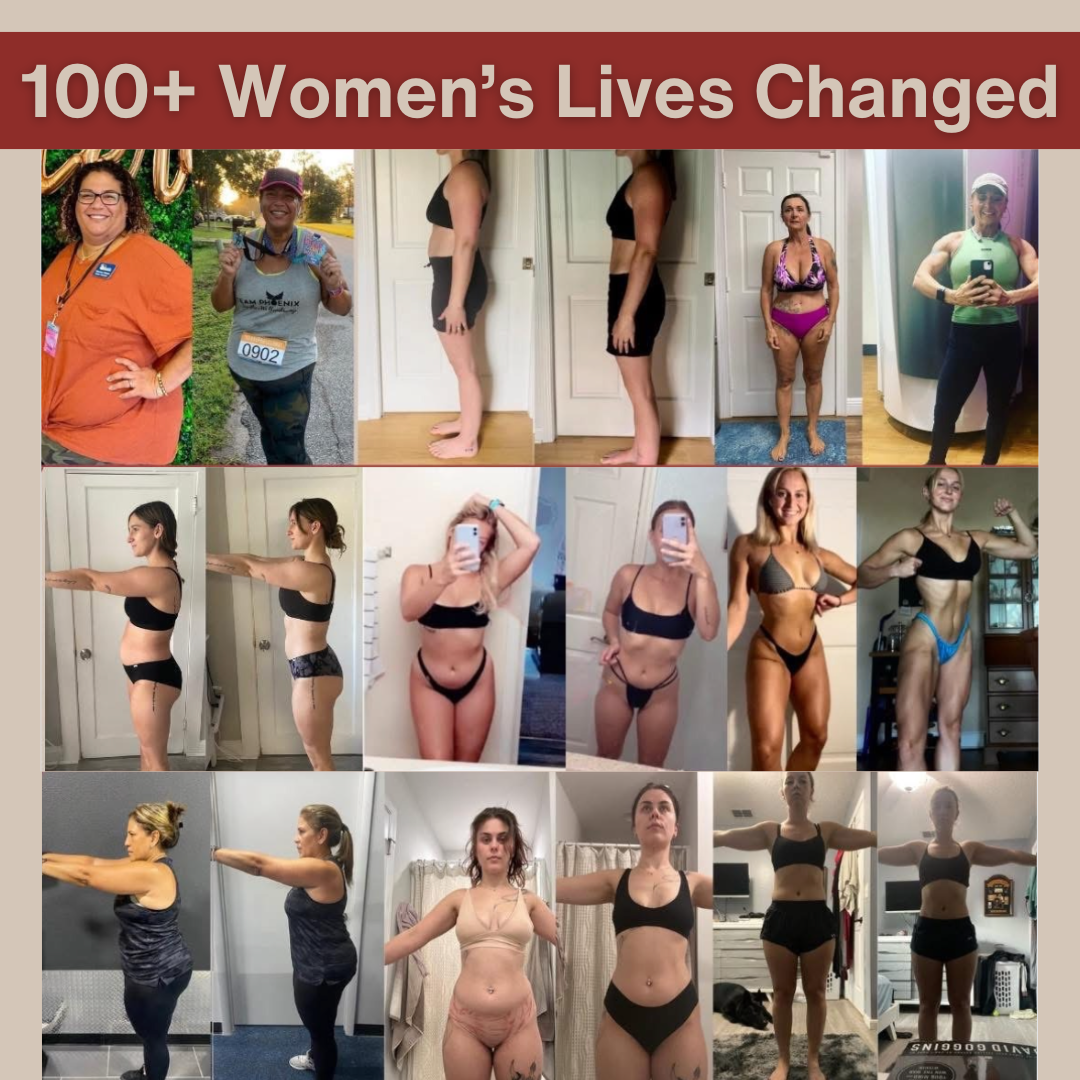
Are You Our Next Success Story?
Hundreds of women have joined our program. Apply now to see if you are a fit.
Click Here to ApplyMackenzie
Her Wellness Reclaimed
@herwellnessreclaimed
Disclaimer: This post is for educational purposes only and does not constitute medical advice, diagnosis, or treatment. Always consult a qualified healthcare professional regarding your personal health situation before making changes to your care plan.