You went to your doctor. You described your symptoms. They ran labs, looked at the results, and told you everything looked normal. And you left that appointment feeling more confused and dismissed than when you walked in , because nothing about how you feel is normal.
This is one of the most common experiences women with PCOS describe. And it's not because they're imagining symptoms. It's because standard lab testing for PCOS has real limitations that most people never get explained to them. Understanding those limitations doesn't replace working with a qualified healthcare provider , but it can help you advocate for yourself and ask better questions.
Why PCOS Is Hard to Catch on Standard Labs
PCOS does not have a single definitive blood test. It is currently diagnosed based on clinical criteria , the most widely used being the Rotterdam criteria, which requires at least two of three features: irregular or absent ovulation, clinical or biochemical signs of elevated androgens, and polycystic ovary morphology on ultrasound or elevated anti-Müllerian hormone (AMH). A woman can meet the diagnostic threshold without having every feature, and the presentation varies significantly between individuals.
The challenge is that standard lab panels often check only a narrow slice of relevant markers. A basic hormone panel might include total testosterone, LH, FSH, and estradiol. That can be enough to catch obvious cases. But it misses a significant amount of nuance. Total testosterone, for example, does not tell you how much testosterone is actually active and available in your tissues. For that, you need free testosterone and sex hormone binding globulin (SHBG). Low SHBG means more free, biologically active testosterone , even when total testosterone reads within the standard reference range. Many women with PCOS have normal total testosterone and low SHBG, meaning they have functionally elevated androgen activity that a basic panel won't flag.
Hormones also fluctuate significantly throughout the menstrual cycle. Testing at the wrong time of the month can produce results that look unremarkable even when meaningful dysfunction is present. Without knowing where you are in your cycle , or if your cycles are irregular enough that this is difficult to track , standard reference ranges may not give an accurate picture of what's actually happening.
"Normal on a standard panel and normal for your body are not the same thing. Reference ranges are built on population averages, not on what's optimal for you specifically."
What Standard Testing Often Misses
Insulin resistance is a good example of how standard testing can create a false sense of security. Research suggests that a significant portion of women with PCOS have some degree of insulin resistance, but a basic fasting glucose test will often come back normal. Glucose can remain within range while insulin is already compensating , working overtime to keep blood sugar stable. To see that pattern, you need fasting insulin alongside fasting glucose, or a more comprehensive marker like HOMA-IR. Most routine panels don't include fasting insulin.
Thyroid function is another area that gets under-tested. A standard thyroid panel typically includes TSH , thyroid stimulating hormone , and may stop there. But TSH alone does not tell you how much active thyroid hormone your body is actually producing or converting. Free T3 and Free T4 give a more complete picture, and thyroid antibodies are relevant for women who may have autoimmune thyroid involvement, which is more common in women with PCOS than in the general population. These markers are not always included without a specific request.
Adrenal androgens like DHEA-S are often left off standard hormone panels, even though elevated DHEA-S can point to an adrenal component of androgen excess that behaves differently from ovarian-driven androgens and may respond to different strategies. Inflammatory markers, nutrient levels, and cortisol patterns are similarly underrepresented in routine testing despite their relevance to PCOS symptoms.
What a More Complete Picture Looks Like
Functional lab testing for PCOS aims to look at the full picture rather than just checking the boxes required for diagnosis. This typically includes a broader hormone panel covering free and total testosterone, SHBG, DHEA-S, androstenedione, LH and FSH, estradiol, and progesterone timed appropriately in the cycle. It includes thyroid markers beyond just TSH. It includes fasting insulin and glucose together. It looks at inflammatory markers, relevant nutrient levels like vitamin D, magnesium, and B12, and often cortisol patterns.
The goal is not to find more things wrong. The goal is to identify which specific drivers are operating in your body , because the answer shapes everything. A woman whose primary driver is insulin resistance needs a different approach than a woman whose primary driver is adrenal androgen excess or thyroid dysfunction. Treating PCOS generically, without knowing which mechanisms are dominant for that individual, is why so many women try the standard recommendations and get inconsistent results.
Being told your labs are normal is not the end of the conversation. It may mean the right questions haven't been asked yet. It may mean the right markers haven't been tested. And it definitely means you're not imagining what you're experiencing just because a standard panel didn't catch it.
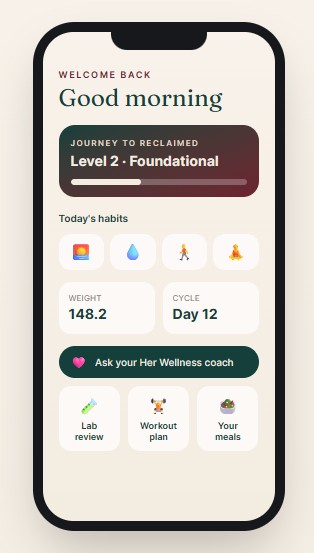
Her Wellness Reclaimed App
Real answers for women with PMOS who are tired of guessing.
Lab-based insight, a custom plan, and a real coach in your corner. Built for high-achieving women who have tried everything and still feel let down by their bodies.
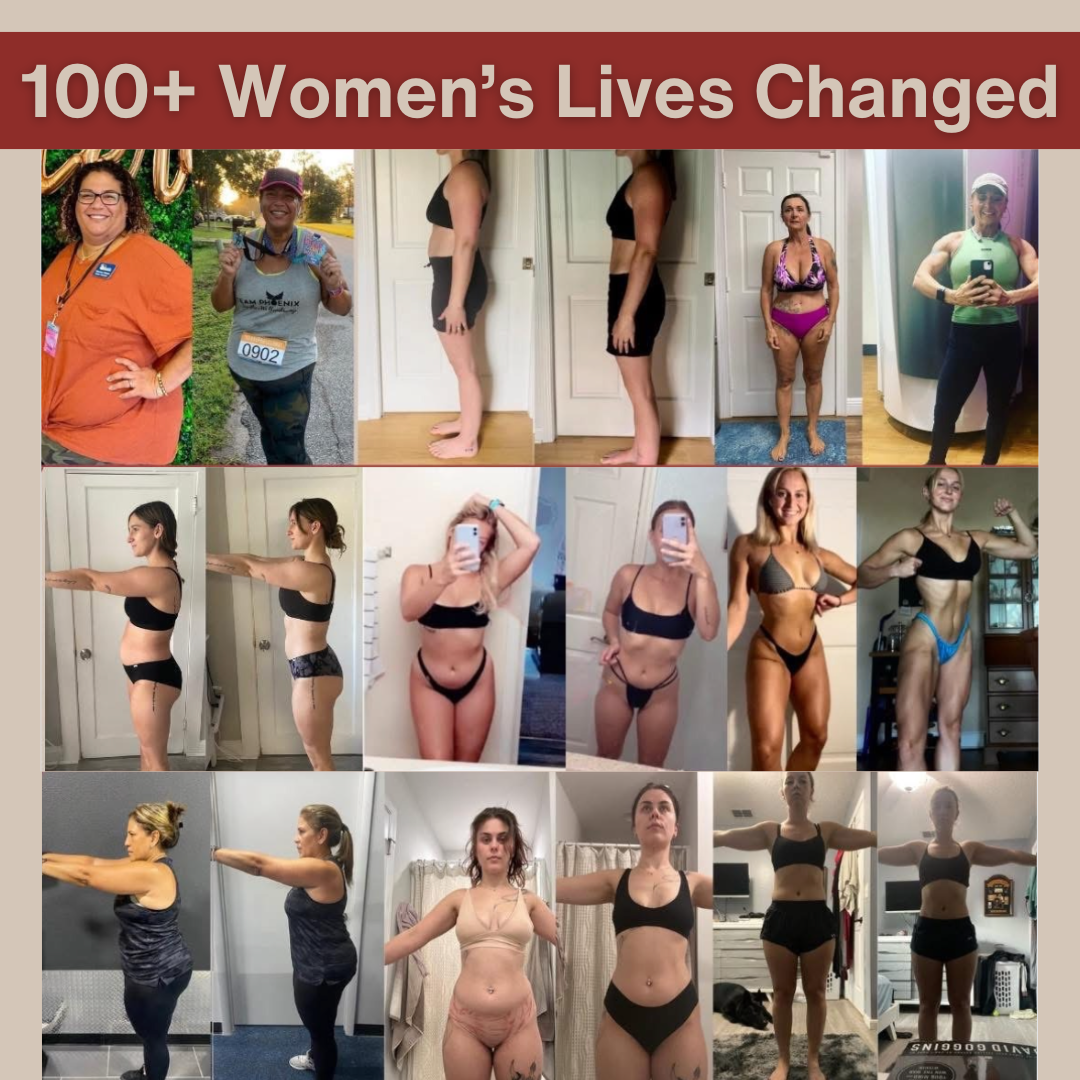
Are You Our Next Success Story?
Hundreds of women have joined our program. Apply now to see if you are a fit.
Click Here to ApplyMackenzie
Her Wellness Reclaimed
@herwellnessreclaimed
Disclaimer: This post is for educational purposes only and does not constitute medical advice, diagnosis, or treatment. The information shared here is based on published research and clinical guidelines and is intended to support informed conversations with your healthcare provider. Always consult a qualified healthcare professional regarding your individual health situation before making changes to your care plan.