You have had PCOS for years. You know your body. And somewhere in your late 30s or early 40s, something shifted. Your symptoms changed. Things that used to work stopped working. New symptoms showed up that you had not seen before. Your doctor said it might be perimenopause. Or maybe they said your PCOS was getting better. Or they said nothing useful at all.
Here is what is actually happening when PCOS and perimenopause overlap — and why it is one of the most confusing and underserved hormonal situations a woman can be in.
Why PCOS and Perimenopause Are So Hard to Distinguish
Both PCOS and perimenopause produce irregular cycles. Both cause weight changes, sleep disruption, mood instability, and fatigue. Both can drive changes in skin, hair, and energy that feel distinctly hormonal. The symptom overlap is significant enough that women in their 40s with PCOS are frequently told that what they are experiencing is "just perimenopause" — when in reality, they are managing both simultaneously, and the distinction matters enormously for what approach actually helps.
Perimenopause is defined by declining ovarian estrogen and progesterone production, rising FSH, and increasing cycle irregularity as the ovaries approach the end of their reproductive function. PCOS, by contrast, is characterized by androgen excess and chronic anovulation driven primarily by insulin resistance. These are two different hormonal mechanisms. They can exist at the same time, and in women with PCOS entering their 40s, they almost always do.
"PCOS does not retire at 40. It shifts. And perimenopause adds new hormonal changes on top of a pattern that was already complex."
What Happens to PCOS During Perimenopause
Research has shown that PCOS does not resolve with age in the way some older medical guidance suggested. The androgen excess and metabolic features of PCOS persist well into perimenopause and beyond. What changes is the hormonal context around them.
As estrogen levels begin fluctuating during perimenopause, insulin sensitivity declines further — estrogen has a protective effect on insulin signaling, and as it drops, insulin resistance tends to worsen. For women with PCOS who already have insulin resistance as their primary driver, this means the foundational metabolic challenge of their condition becomes harder to manage precisely when new perimenopausal symptoms are being layered on top.
Anti-Mullerian hormone (AMH), which is typically elevated in PCOS due to the higher number of antral follicles, declines during the perimenopausal transition. This means some women with PCOS will see their polycystic ovarian morphology on ultrasound begin to normalize, and their androgen levels may shift — but this does not mean PCOS is resolving. It means the hormonal expression of PCOS is changing within the perimenopausal context.
How to Actually Tell What Is Driving Your Symptoms
The only way to know whether your symptoms in your 40s are primarily PCOS, primarily perimenopause, or a combination of both is through targeted lab work. A standard FSH test alone is not enough. A complete picture requires looking at FSH and LH together — elevated FSH with a ratio shifting toward FSH dominance suggests perimenopause, while an LH to FSH ratio greater than 2:1 is more characteristic of PCOS. AMH levels add another data point. Estradiol, free testosterone, DHEA-S, and progesterone fill in the rest of the picture.
Fasting insulin and a calculated HOMA-IR remain essential regardless of which condition is driving symptoms, because insulin resistance is the metabolic feature of PCOS that most directly predicts how the perimenopausal transition will go. Women with PCOS entering perimenopause with significant unaddressed insulin resistance are the ones most likely to see their metabolic health deteriorate significantly during this window.
What to Prioritize When You Have Both
When PCOS and perimenopause overlap, the most important thing to anchor on is insulin resistance. It is the feature of PCOS that most directly worsens with declining estrogen, and it is the driver most under your control through lifestyle intervention. Protein-first eating, strength training that preserves and builds muscle mass, blood sugar stabilization, and sleep quality are not generic wellness recommendations — they are specific, high-leverage interventions for the intersection of PCOS and perimenopausal metabolic change.
Progesterone decline during perimenopause can worsen the androgen-to-estrogen imbalance that drives some PCOS symptoms. Some women benefit from progesterone support during this transition. This is a decision that requires a full hormonal picture and a provider who understands both PCOS and perimenopause — which is a rarer combination than it should be.
Bone health, cardiovascular health, and cognitive function are all areas of elevated concern for women with PCOS moving through perimenopause. The insulin resistance and chronic inflammation that drive PCOS symptoms also independently affect these systems. Addressing the root cause is not just about managing symptoms in the present — it is about protecting long-term health through a transition that carries real metabolic stakes for women with PCOS.
You have been managing this for years. You deserve a strategy that accounts for where you actually are now — not one built for a 28-year-old with a straightforward hormone picture.
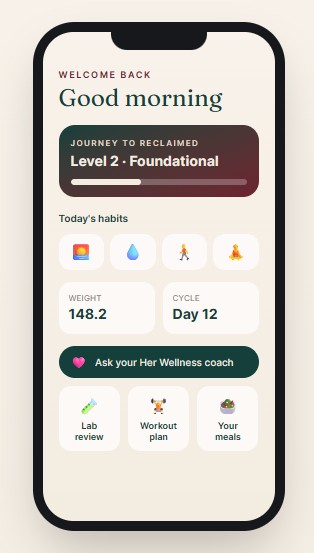
Her Wellness Reclaimed App
Real answers for women with PMOS who are tired of guessing.
Lab-based insight, a custom plan, and a real coach in your corner. Built for high-achieving women who have tried everything and still feel let down by their bodies.
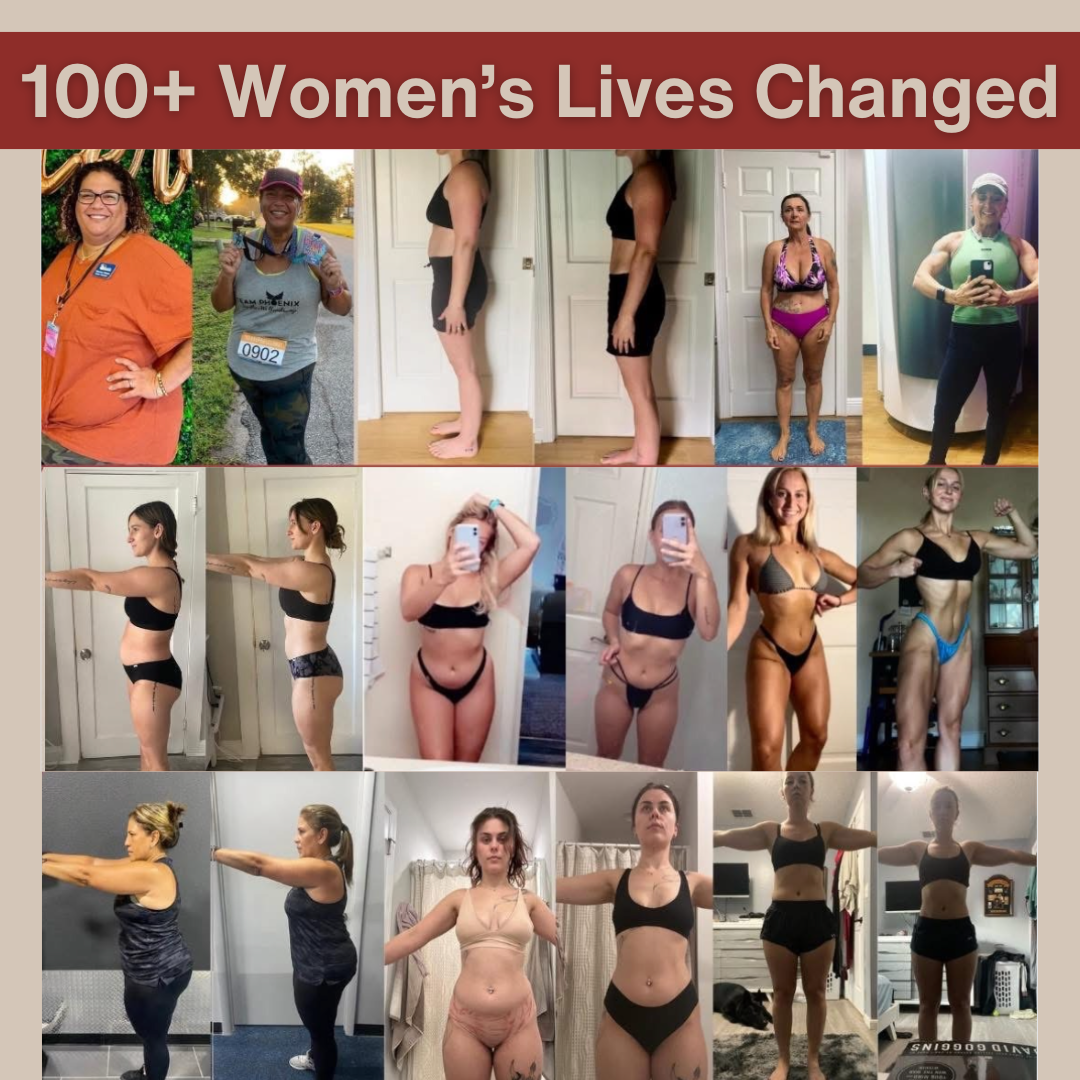
Are You Our Next Success Story?
Hundreds of women have joined our program. Apply now to see if you are a fit.
Click Here to ApplyMackenzie
Her Wellness Reclaimed
@herwellnessreclaimed
Disclaimer: This post is for educational purposes only and does not constitute medical advice, diagnosis, or treatment. Always consult a qualified healthcare professional regarding your personal health situation, particularly before making changes to hormone-related care.