You notice it in the shower drain. In the brush. In the part that looks wider than it used to. You start styling your hair differently to hide it. You buy the expensive shampoo and the supplements that promise results. Nothing changes.
Hair loss is one of the most distressing symptoms women with PMOS experience partly because it is visible, and partly because most treatments address the hair itself rather than the hormonal system driving the loss. Until you fix what is happening underneath, you are treating a symptom while the cause continues.
This post is educational and not a substitute for medical advice. But if you have PMOS and you are losing hair, here is the actual picture of what is likely happening and what the evidence says is worth doing about it.
Hair Loss in PMOS Has Multiple Root Causes
This is the part that most PCOS and PMOS content gets wrong. They describe hair loss as an androgen problem and leave it there. In reality, most women with PMOS who are losing hair have two, three, or even four simultaneous drivers and the treatment needs to address all of them, not just the most obvious one.
Root Cause 01
Elevated Androgens and DHT
The most well-known driver. Elevated testosterone is converted by the enzyme 5-alpha reductase into DHT (dihydrotestosterone), which binds to hair follicle receptors and gradually miniaturizes them. Over time, each hair cycle produces a thinner, shorter hair until the follicle stops producing visible hair entirely. In PMOS, elevated androgens are most often driven by insulin resistance meaning lowering insulin is the most direct lever for lowering the androgens that cause this pattern.
Root Cause 02
Low Ferritin (Iron Storage)
This is the most commonly missed driver of hair loss in women with PMOS. Ferritin is the protein that stores iron and delivers it to the hair follicle. Hair follicles are among the most metabolically active cells in the body they require consistent, adequate ferritin to complete each growth cycle. When ferritin drops below approximately 50 to 70 ng/mL, hair shedding increases significantly, even when standard "normal" ranges go as low as 12 ng/mL. Many women are told their iron is fine when their ferritin is at 18 and they are losing handfuls of hair daily.
Root Cause 03
Thyroid Dysfunction
Thyroid hormone controls the pace of every cell's metabolism, including hair follicle cells. Both hypothyroidism and Hashimoto's thyroiditis which is more common in women with PMOS than in the general population can cause diffuse hair thinning and shedding. Critically, this type of hair loss is often missed because doctors test TSH only. TSH can be in range while free T3 is low, which is the active thyroid hormone that follicles actually use. A full thyroid panel is essential for any woman with PMOS experiencing hair loss.
Root Cause 04
Chronic Stress and Telogen Effluvium
Significant physical or emotional stress can push large numbers of hair follicles into the resting (telogen) phase simultaneously. The result is diffuse shedding that typically begins two to three months after the stressful event or period which is why women often can't connect their hair loss to a specific cause. In women with PMOS, chronic cortisol elevation creates a low-grade ongoing stress signal that can produce persistent telogen effluvium rather than a single shedding episode. This is why the hair never seems to fully recover between stressors.
"Most women with PMOS and hair loss are dealing with more than one of these drivers simultaneously. Treating only the androgen piece and ignoring ferritin and thyroid is why so many women see limited results despite doing everything right."
The Labs That Actually Tell the Story
If you have PMOS and are losing hair, these are the markers worth asking your healthcare provider to test. Standard panels routinely miss the most relevant ones.
- Ferritin aim to know your exact number, not just "normal." Below 50-70 ng/mL is functionally low for hair health even if it passes standard range
- Free and total testosterone total alone misses elevated free testosterone when SHBG is low
- SHBG (sex hormone binding globulin) low SHBG means more biologically active androgens regardless of total levels
- DHEA-S adrenal androgen that contributes to DHT and is often overlooked
- Full thyroid panel TSH, free T3, free T4, reverse T3, and TPO antibodies
- Fasting insulin and glucose to assess the insulin resistance driving androgen production
- Zinc and vitamin D both directly support hair follicle function and are frequently depleted in PMOS
This is not a list to supplement against blindly it is a list to test, identify what is actually low or elevated, and address those specific drivers. Random supplementation without data is one of the most common reasons women with PMOS hair loss spin their wheels.
What Actually Works for PMOS Hair Loss
Because PMOS hair loss is multi-root, the approach needs to match the picture. These are the most evidence-supported strategies and the order matters, because addressing insulin resistance first addresses multiple downstream drivers simultaneously.
Address Insulin Resistance First
Lowering insulin resistance reduces androgen production at the source. The same strategies that improve insulin sensitivity protein-first meals, reduced refined carbohydrates, strength training, consistent sleep lower the hormonal environment that is driving DHT-related follicle miniaturization. This takes time. Hair cycles are three to six months long. But it is the foundational intervention that makes everything else more effective.
Optimize Ferritin, Not Just Hemoglobin
If ferritin is below 50 to 70, raising it is one of the highest-leverage moves for hair loss. This typically involves iron-rich foods alongside vitamin C for absorption, and in some cases supplemental iron under healthcare provider guidance. Retesting ferritin every three months allows you to track progress. Do not supplement iron without confirming deficiency excess iron has its own health risks.
Support Thyroid Function With Full Information
If your free T3 is low, if reverse T3 is elevated, or if TPO antibodies are positive, thyroid support becomes a key part of the hair loss equation. This is a conversation for your healthcare provider but knowing these numbers means you can have that conversation with actual data rather than a TSH result that may not tell the full story.
Reduce the Cortisol Load on Your Hair Follicles
Chronic cortisol elevation directly prolongs the telogen (resting) phase of hair follicles. The same cortisol-reducing interventions that support PMOS broadly walking over HIIT, consistent eating, sleep protection, nervous system recovery create a less hostile hormonal environment for hair growth. This is not glamorous advice. But it is among the most consistently impactful.
Give It Time and Track the Right Metrics
Hair regrowth is slow. The cycle from follicle activation to visible new hair is three to six months minimum. Women who address root causes and measure success by shedding reduction first before they see new length are the ones who stay consistent long enough for the intervention to work. Tracking daily shed count, part width, and new growth at the temples gives you real data rather than relying on bathroom mirror anxiety.
You are not vain for caring about this. Hair is a visible, daily marker of how your hormones are doing and the distress it causes is real. The women who get results are the ones who stop trying to fix the hair and start fixing what the hair is telling them about their body.
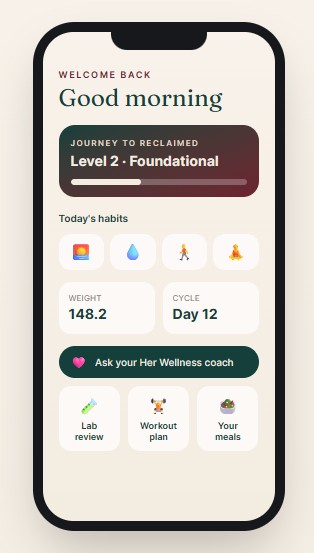
Her Wellness Reclaimed App
Real answers for women with PMOS who are tired of guessing.
Lab-based insight, a custom plan, and a real coach in your corner. Built for high-achieving women who have tried everything and still feel let down by their bodies.
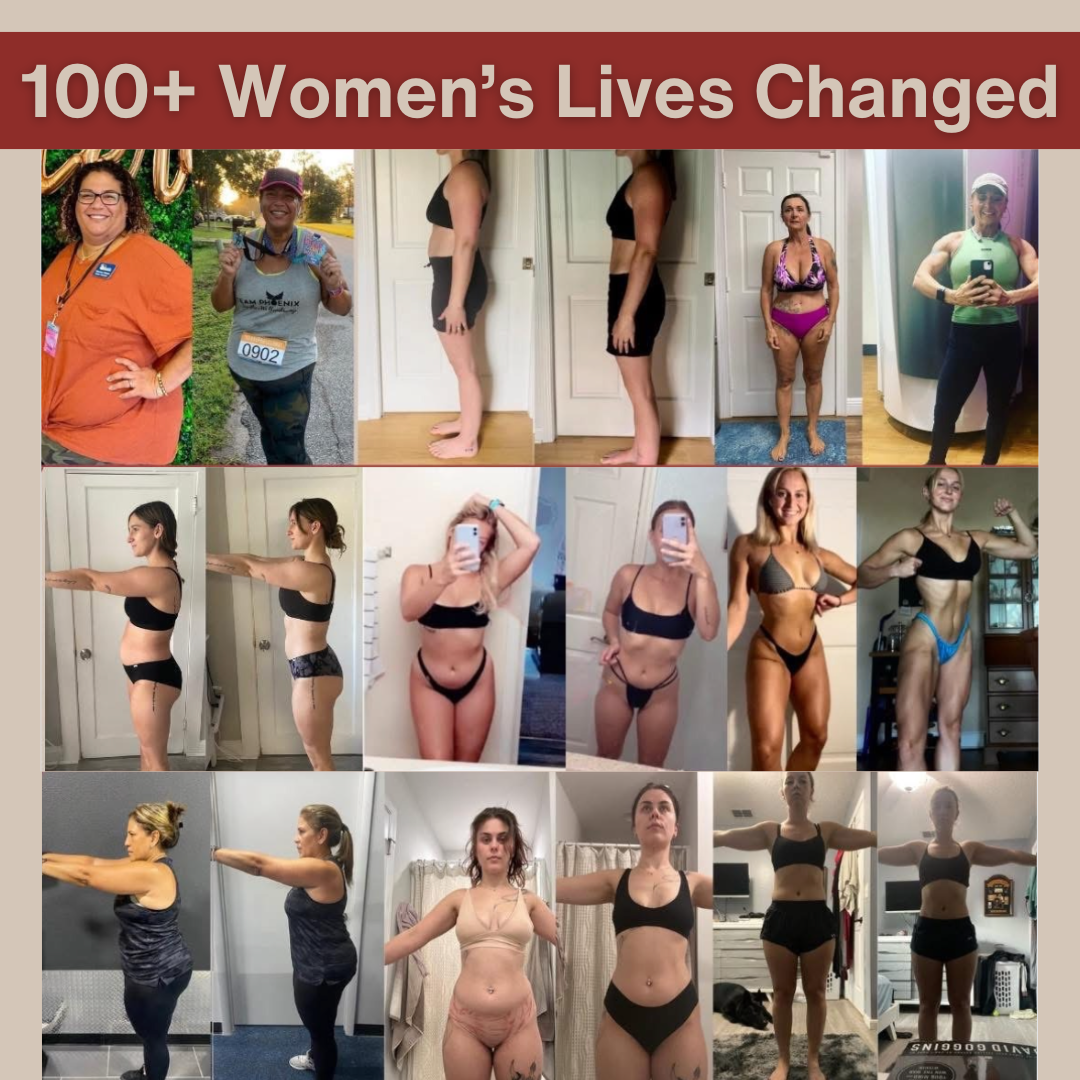
Are You Our Next Success Story?
Hundreds of women have joined our program. Apply now to see if you are a fit.
Click Here to ApplyMackenzie
Her Wellness Reclaimed
@herwellnessreclaimed
Disclaimer: This post is for educational purposes only and does not constitute medical advice, diagnosis, or treatment. Hair loss can have many causes beyond PMOS always consult a qualified healthcare provider for a proper evaluation before pursuing any treatment. The information here is intended to support informed conversations with your care team.