If you have PCOS and you've been grinding through HIIT classes five days a week without seeing results — or worse, feeling more exhausted, inflamed, and symptomatic — this article is for you.
The conventional fitness advice to "work out harder" is one of the most damaging things a woman with PCOS can follow. Not because exercise is bad — it's one of the most powerful tools for managing PCOS — but because the type and intensity of exercise matters enormously when your hormones are dysregulated.
Why HIIT Makes PCOS Worse
High-intensity interval training is popular because it burns a lot of calories in a short time and creates an "afterburn" effect that continues post-workout. For women with healthy hormonal profiles, this can be effective.
For women with PCOS, it's a different story.
The Cortisol Problem
Every intense workout is a physical stressor. Your body responds by releasing cortisol, the stress hormone, to fuel the effort. When high-intensity sessions are frequent and layered on top of daily life stress, cortisol can remain elevated.
Some research suggests this may be relevant for women with PCOS because of the following connections:
- Elevated cortisol is associated with higher blood sugar and insulin levels
- Higher insulin may stimulate the ovaries to produce more androgens
- Elevated androgens are linked to symptoms like acne, facial hair, and cycle irregularity
- Elevated cortisol is also associated with increased inflammation and disrupted sleep
This does not mean HIIT is harmful for every woman with PCOS. But for some women, particularly those who are already under significant stress or experiencing worsening symptoms, high-intensity training may not be the most supportive choice. Always consult your healthcare provider about what exercise approach is right for you.
The Recovery Factor
Some research suggests that women with PCOS may experience differences in HPA axis function, which affects how the body responds to and recovers from stress. High-intensity exercise places significant demands on recovery, and if the body's stress response is already challenged, recovery may be slower.
Many women with PCOS report feeling persistently fatigued even with adequate sleep and rest, particularly when following high-volume training programs. This experience is worth discussing with a healthcare provider.
"More exercise is not always better. For women with PCOS, the type and intensity of exercise may matter as much as the amount."
Why Walking Is So Powerful for PCOS
Walking is not a consolation prize. It is a well-studied form of movement with a number of potential benefits for women with PCOS, and it is generally well-tolerated even when energy is low.
Walking and Cortisol
Unlike high-intensity exercise, walking is generally not associated with significant cortisol spikes. Some research suggests that low-intensity steady-state movement, particularly outdoors, may support healthier cortisol patterns. For women with PCOS who are already managing significant stress, this distinction may be meaningful.
Walking and Blood Sugar
Some research suggests that a short walk of 10 to 30 minutes after meals may help moderate post-meal blood sugar levels. Over time, consistent daily movement is associated with improved insulin sensitivity in many people. Speak with your healthcare provider about what movement goals make sense for your situation.
Walking and Inflammation
Chronic low-grade inflammation is commonly associated with PCOS. Some research suggests that regular moderate movement may support healthier inflammatory markers. While walking alone is not a treatment for PCOS, it may be a supportive part of a broader health strategy developed with your healthcare team.
The Best Exercise Protocol for PCOS
The most effective exercise approach for PCOS combines daily low-intensity movement with strategic strength training:
What to Minimize
- Daily HIIT or intense cardio
- Long cardio sessions over 45 minutes
- Training through exhaustion or injury
- High-volume training without recovery
Often Better Tolerated
- Consistent daily walking
- 2 to 3x per week strength training
- Post-meal walks (10 to 20 minutes)
- Yoga or Pilates for stress and recovery
Why Strength Training Matters
Strength training is also commonly included in PCOS-supportive exercise recommendations. Building muscle is associated with improved insulin sensitivity over time, as muscle tissue plays an important role in glucose metabolism. Many practitioners suggest two to three sessions per week of resistance training, using compound movements such as squats, deadlifts, rows, and presses, as a supportive starting point.
The goal is not to exhaust yourself. Movement that is sustainable, enjoyable, and consistent over time is likely to be more beneficial than any short-term intense approach that leads to burnout. Always work with your healthcare provider to find what is appropriate for your health status.
The Bottom Line
There is no single exercise prescription that works for every woman with PCOS. What the research does suggest is that movement type and intensity may matter, not just total volume, and that chronic high-intensity training without adequate recovery may not be the most supportive choice for some women with PCOS.
If you have been training hard and still not seeing results, or feel worse after exercise rather than better, that experience is worth raising with a healthcare provider. It may point to something worth investigating rather than a reason to push harder.
This article is for educational purposes only and does not constitute medical advice. Please consult a qualified healthcare provider before making changes to your exercise routine.
Her Wellness Reclaimed App
Real answers for women with PMOS who are tired of guessing.
Lab-based insight, a custom plan, and a real coach in your corner. Built for high-achieving women who have tried everything and still feel let down by their bodies.
Are You Our Next Success Story?
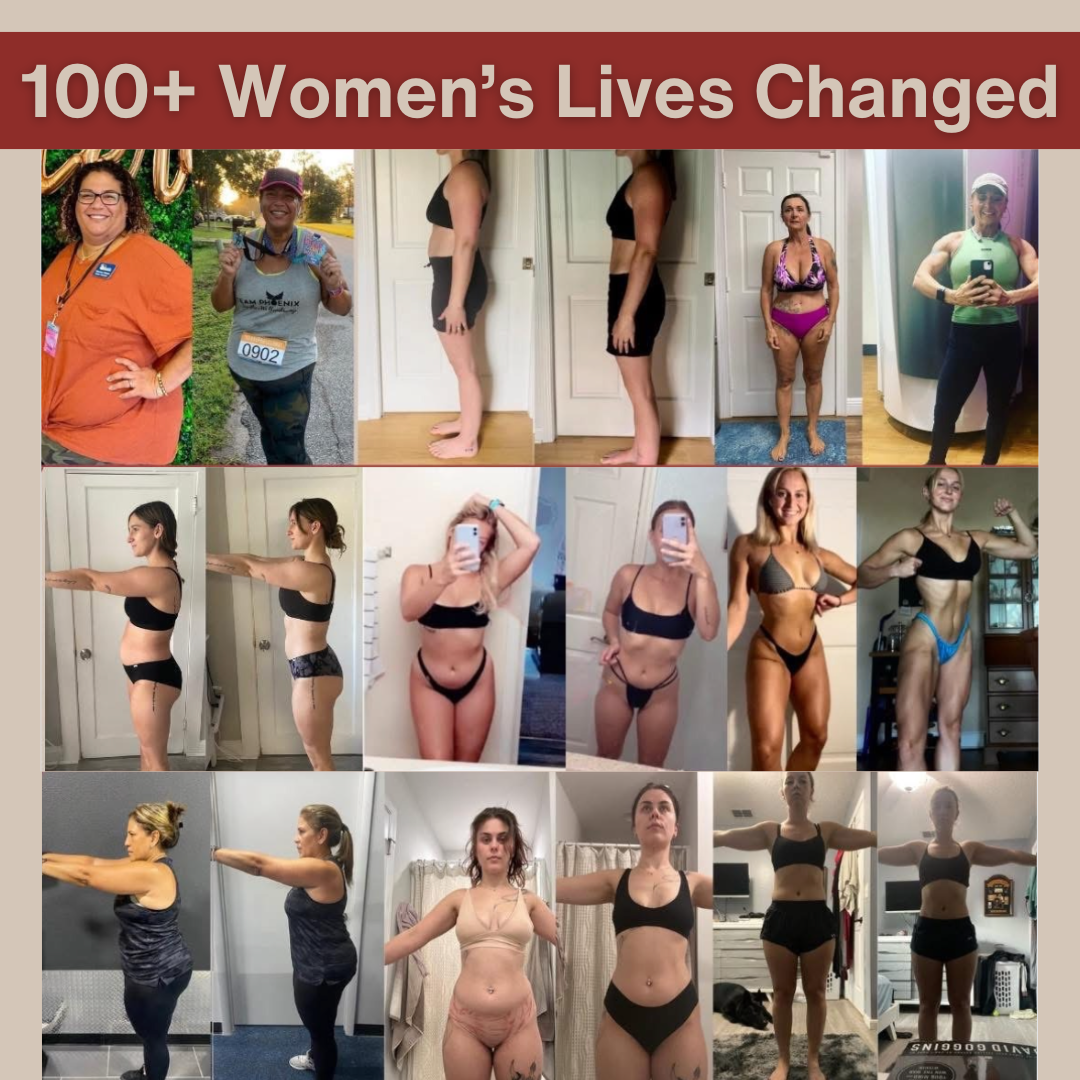
Hundreds of women have joined our program. Apply now to see if you are a fit.
Click Here to Apply