You're eating in a deficit. You're working out five days a week. You're doing everything the internet says to do. And the scale hasn't moved in months.
If this sounds like you, you're not lazy, broken, or lacking willpower. You have PCOS — and PCOS changes everything about how your body responds to food, exercise, and stress.
Standard weight loss advice was not designed for women with hormonal imbalances. Understanding why it fails — and what actually works — is the first step to finally getting results.
Why Standard Weight Loss Advice Fails Women with PCOS
The conventional formula is simple: eat less, move more, create a calorie deficit. For women with healthy hormones and normal insulin sensitivity, this works reasonably well.
But PCOS disrupts the underlying systems that this formula assumes are functioning normally. When those systems are broken, following the formula harder just makes things worse.
Insulin Resistance Is Driving Your Weight Gain
Up to 70% of women with PCOS have insulin resistance — a condition where your cells stop responding properly to insulin. When this happens, your body produces more and more insulin to compensate.
High insulin does two things that destroy your weight loss efforts:
- It signals your body to store fat, especially around the abdomen
- It blocks your ability to burn fat for fuel, even when you're eating less
Eating less can actually make insulin resistance worse if you're cutting the wrong things. A low-calorie, high-carbohydrate diet keeps blood sugar and insulin elevated all day — your body stays in fat-storage mode no matter how small your portions are.
High Androgens Change Where and How You Store Fat
PCOS is associated with elevated androgens, including testosterone and DHEA, which may affect how and where the body stores fat. Many women with PCOS notice weight concentrated around the midsection, even when they are not significantly overweight overall.
Elevated androgens can also affect ovulation and may contribute to insulin resistance, creating a cycle that is difficult to address through diet changes alone.
Cortisol and the Stress Connection
Women with PCOS may have a more sensitive stress response. When aggressive calorie restriction and high-intensity exercise are layered on top of existing lifestyle stress, this can put additional burden on the body's stress systems.
Elevated cortisol is associated with higher blood sugar, changes in fat storage, and fatigue. Many women report feeling exhausted and inflamed even when they are working harder than ever, and this is a real physiological experience, not a mindset issue.
"Standard weight loss advice assumes a stable hormonal baseline. For women with PCOS, that baseline looks very different, and the strategy needs to reflect that."
What Actually Works for PCOS Weight Loss
Effective PCOS weight loss is not about restricting more aggressively. It's about removing the hormonal blocks that are preventing your body from burning fat in the first place.
Stabilize Blood Sugar First
One approach many women with PCOS find helpful is focusing on blood sugar stability. Some strategies commonly explored include:
- Including protein and fat at meals, rather than leading with carbohydrates
- Reducing intake of refined carbohydrates and high-sugar foods
- Avoiding long gaps between meals, which can affect energy and stress hormones
- Eating earlier in the day to support natural cortisol patterns
When blood sugar is more stable, insulin tends to stay lower. Lower insulin is associated with improved access to fat for fuel. Working with a qualified professional can help you find the approach that fits your specific situation.
Movement That Supports Your Hormones
High-intensity cardio may elevate cortisol, which can in turn affect insulin and androgen levels. Some research suggests that frequent high-intensity training may not be the most supportive choice for women with PCOS, particularly when the body is already under stress.
Many women with PCOS find that daily low-intensity movement, such as walking, is well tolerated and supports metabolic health over time. Strength training two to three times per week is also commonly recommended as part of a PCOS-supportive routine, as building muscle is associated with improved insulin sensitivity. Always consult your healthcare provider before making changes to your exercise routine.
Understanding Your Individual Picture
PCOS is not one-size-fits-all. Some women are primarily dealing with insulin resistance. Others may have elevated cortisol, thyroid issues, or androgen excess as a more prominent factor. Without understanding your individual picture, any approach involves a degree of guessing.
Functional lab testing, which looks at hormones, thyroid, blood sugar, cortisol, and inflammatory markers, can provide a clearer picture of what is going on for you specifically. A qualified practitioner can help interpret results and build a strategy based on your data.
The Bottom Line
For many women with PCOS, weight management is less about restricting more aggressively and more about understanding the hormonal factors involved. The strategy that works for someone without hormonal imbalances may not be the right fit for a woman with PCOS.
If you have been doing everything by the book and still not seeing results, it may be worth exploring whether the approach itself is well-suited to your body. This is not medical advice, and we always recommend working with a qualified healthcare provider.
For a deeper breakdown of the four hormonal reasons weight loss stalls specifically in PCOS, read: Why You Can't Lose Weight With PCOS (It's Not What You Think). And if stress and cortisol feel like part of your picture, this post on cortisol and PCOS in high-achieving women goes deep on that connection.
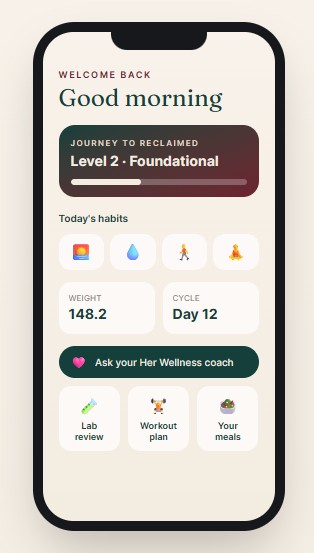
Her Wellness Reclaimed App
Real answers for women with PMOS who are tired of guessing.
Lab-based insight, a custom plan, and a real coach in your corner. Built for high-achieving women who have tried everything and still feel let down by their bodies.
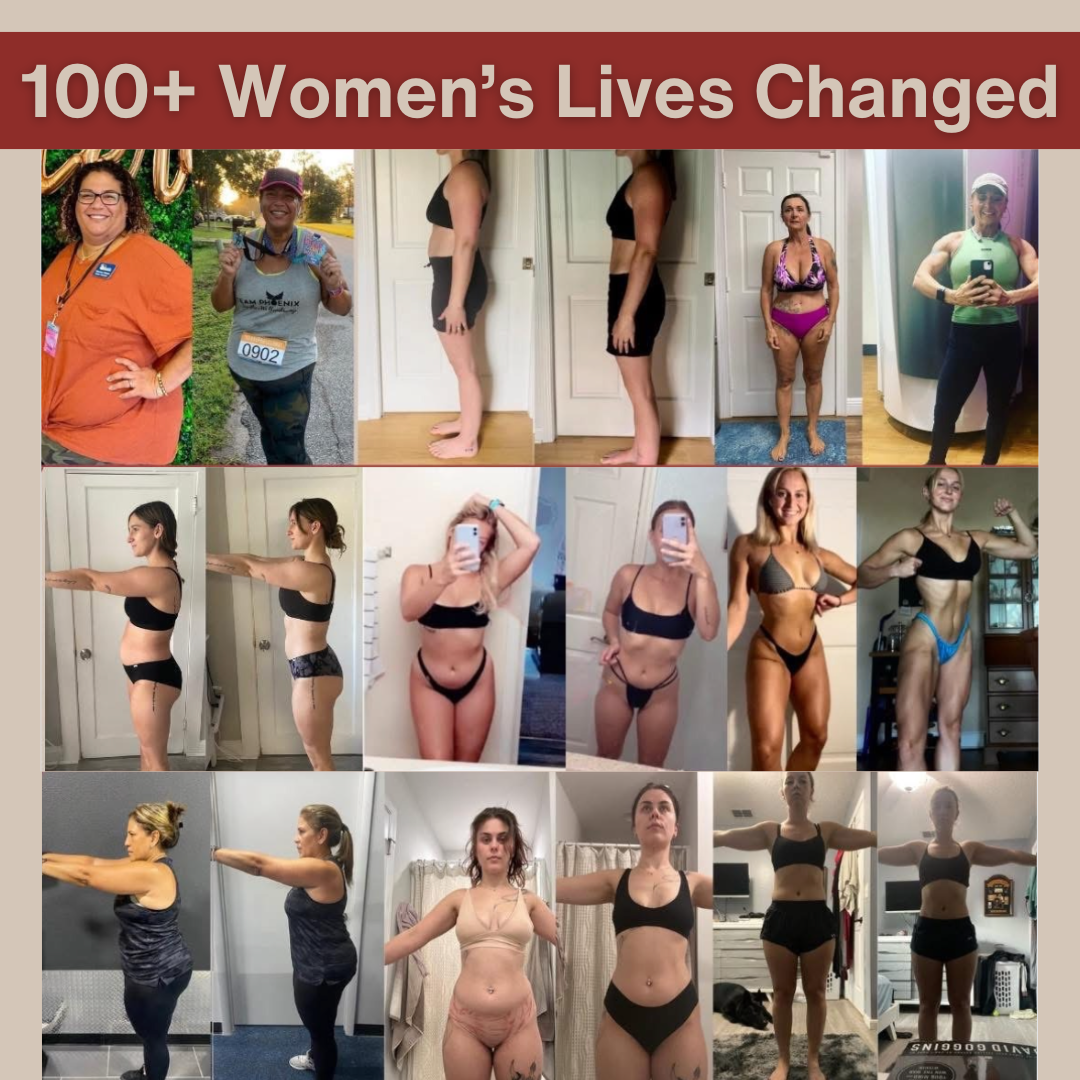
Are You Our Next Success Story?
Hundreds of women have joined our program. Apply now to see if you are a fit.
Click Here to Apply