If you've been focused exclusively on hormones and haven't touched your gut health, you may be missing one of the biggest pieces of the PCOS puzzle.
This is not a wellness trend. The research connecting gut health to PCOS has grown significantly in recent years — and what's emerging changes how we think about why symptoms like inflammation, weight gain, and mood dysregulation are so hard to shift. This article is for educational purposes only and is not a substitute for personalized medical advice.
What's Actually Going On
Your gut microbiome — the trillions of bacteria living in your digestive system — plays a direct role in how your body produces, metabolizes, and clears hormones. Published research shows that women with PCOS consistently have different gut microbiome compositions compared to women without it, including lower diversity and higher levels of bacteria associated with inflammation.
This matters for two reasons. First, your gut is involved in estrogen metabolism. An imbalanced microbiome can impair your body's ability to clear excess estrogens efficiently, which affects overall hormonal balance. Second, gut dysbiosis — an imbalance of bacteria — drives systemic inflammation. And chronic, low-grade inflammation is one of the key mechanisms that worsens insulin resistance, which is already a core driver of PCOS symptoms.
"Research has also highlighted a strong connection between gut dysbiosis and the mental health challenges that disproportionately affect women with PCOS — including anxiety and depression."
The gut-brain axis is a real, bidirectional communication system. When your gut is inflamed, your brain and mood are affected too. For women with PCOS who are already dealing with fatigue and hormonal swings, this connection is worth understanding.
Why the Standard Advice Falls Short
Most PCOS guidance focuses on what you're eating without addressing whether your gut can actually process and use those nutrients effectively. You can eat an anti-inflammatory diet and still have persistent inflammation if your microbiome is disrupted. You can take supplements and see minimal results if gut absorption is compromised.
Several factors commonly experienced by women with PCOS can negatively impact gut bacteria: chronic stress, poor sleep, and ultra-processed foods. Many women have spent years trying to manage PCOS without anyone addressing the gut piece, which is why progress stalls even when other things seem in order.
What May Actually Help
Supporting gut health in the context of PCOS doesn't require an elaborate protocol. Research points to a few consistent levers:
- Food diversity — a wide variety of vegetables, legumes, and whole foods feeds a diverse microbiome
- Fermented foods — Greek yogurt, kefir, sauerkraut, and kimchi introduce beneficial bacteria directly
- Prebiotic fiber — garlic, onions, leeks, asparagus, and oats feed the good bacteria already present; most women are not getting enough
- Reducing gut disruptors — chronic stress, poor sleep, and ultra-processed foods all degrade the microbiome over time
This is why a holistic approach to PCOS — one that addresses stress, sleep, and gut health alongside nutrition — gets results that a food-only protocol often doesn't. Understanding your specific gut and hormone picture is the most direct path to knowing where to start. That's what functional labs are designed to reveal.
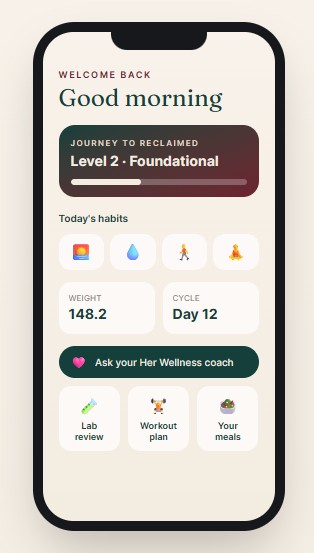
Her Wellness Reclaimed App
Real answers for women with PMOS who are tired of guessing.
Lab-based insight, a custom plan, and a real coach in your corner. Built for high-achieving women who have tried everything and still feel let down by their bodies.
Are You Our Next Success Story?
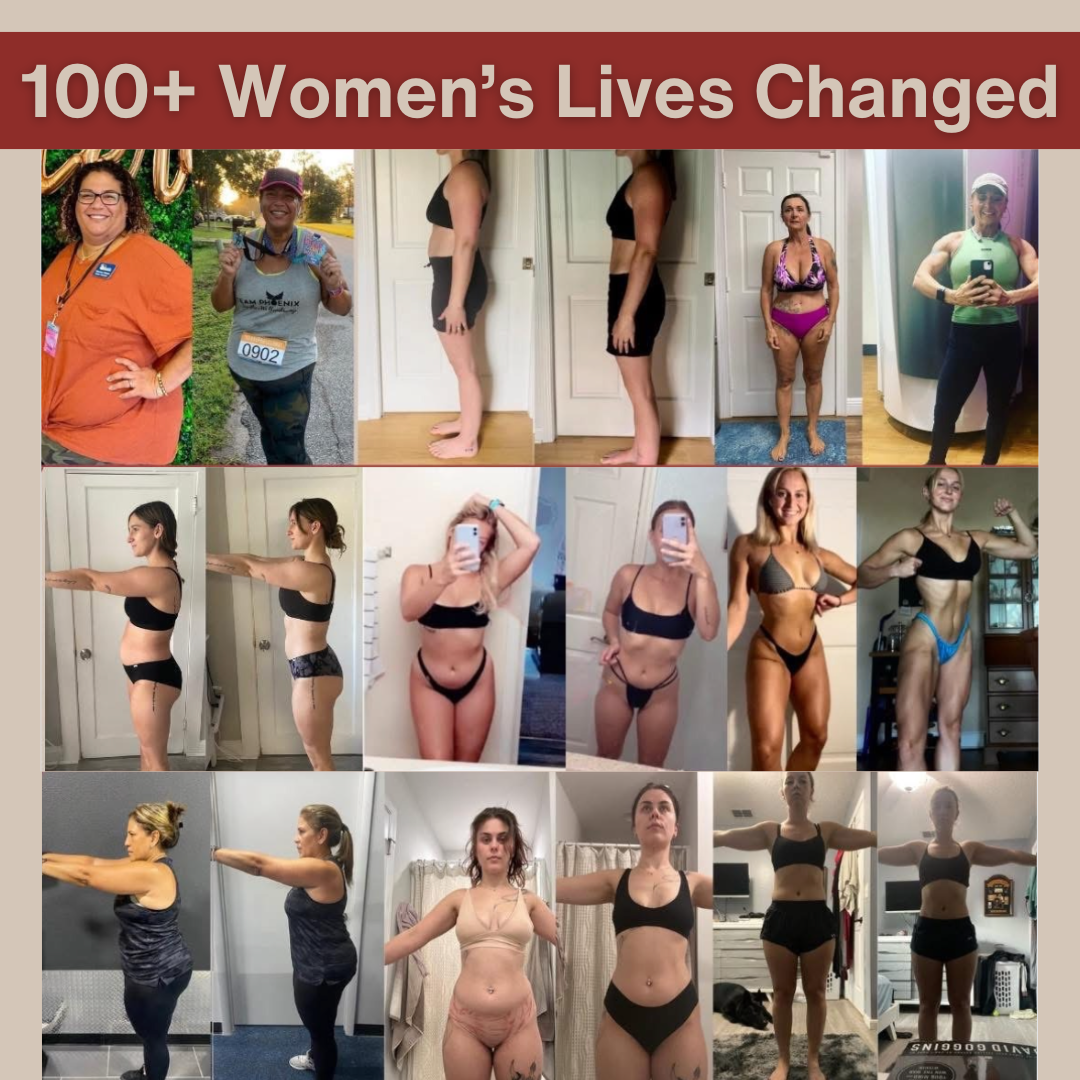
Hundreds of women have joined our program. Apply now to see if you are a fit.
Click Here to Apply