You already know night shift work is hard on your body. The exhaustion, the brain fog, the meals eaten at odd hours, the sleep that never quite feels like enough. What you may not know is that for women with PCOS, night shift work does not just make life harder. It directly disrupts the hormonal systems that are already at the center of the condition.
This is not about effort or discipline. You are doing your job. But understanding the specific hormonal mechanisms behind why shift work and PCOS are such a difficult combination gives you the information you need to make smarter decisions about how to support your body within the reality of your schedule.
Your Body Runs on a Clock, and Night Shift Breaks It
Every system in the human body operates on a circadian rhythm, a roughly 24-hour internal clock governed by light and darkness. Cortisol is meant to peak in the morning and decline through the day. Melatonin is meant to rise in the evening and remain elevated overnight. Insulin sensitivity follows a predictable daily pattern, with cells responding more efficiently to insulin during daylight hours and becoming more resistant at night.
Night shift work inverts all of this. You are awake and eating when your body expects to be at rest. You are sleeping when your body expects to be active. The hormonal signals that govern your metabolism, stress response, and reproductive system are firing at the wrong times, and over weeks and months of shift work, the cumulative effect on hormonal health is significant.
For women without PCOS, circadian disruption creates fatigue, digestive issues, and metabolic changes that recover partly on days off. For women with PCOS, whose cortisol regulation, insulin sensitivity, and LH and FSH signaling are already dysregulated, the additional hormonal burden of working against the body's clock amplifies an existing problem rather than creating a new one.
The Cortisol Problem
Cortisol follows a strict daily pattern in a healthy hormonal system. It is highest in the first hour after waking, declines through the morning, and reaches its lowest point in the late evening and overnight. This pattern, called the cortisol awakening response, plays a central role in regulating blood sugar, immune function, and inflammation.
When you work overnight, your body still produces cortisol on a schedule tied to your sleep and wake times rather than the clock on the wall. But the absence of natural light, the physiological stress of being awake overnight, and the disruption of normal sleep architecture mean that cortisol patterns become irregular, often staying elevated at times when they should be low.
For women with PCOS, elevated cortisol has a direct downstream effect on androgens. The adrenal glands produce both cortisol and androgens including DHEA-S. When cortisol production is chronically disrupted, adrenal androgen output is often affected as well. Research has also documented that cortisol promotes insulin resistance by impairing the ability of cells to respond to insulin. For a woman with PCOS who already tends toward insulin resistance, the cortisol dysregulation of shift work compounds a hormonal problem that was already present.
"Cortisol and insulin resistance are two of the primary drivers of PCOS symptoms. Night shift work disrupts both simultaneously, which is why so many shift workers with PCOS feel like they cannot get ahead no matter what they do."
What Sleep Deprivation Does to PCOS Hormones Specifically
It is not just the timing of sleep that matters. The quality and duration of sleep during the day after a night shift is almost always compromised compared to overnight sleep. Light exposure, noise, social obligations, and the simple difficulty of sleeping when the body wants to be awake mean that most night shift workers are carrying a degree of chronic sleep debt.
Sleep deprivation has been specifically studied in relation to PCOS hormones. Research has shown that even short-term sleep restriction raises fasting insulin and reduces insulin sensitivity in healthy adults. In women with PCOS, who are already more metabolically vulnerable, this effect is amplified. Sleep loss also disrupts the overnight pulsatile release of LH, the hormone that governs ovulation in women with PCOS. When LH signaling is disrupted, ovulation becomes less predictable, cycles become irregular, and androgen production from the ovaries may increase.
Melatonin is another piece of the picture that is rarely discussed in PCOS conversations. Melatonin is not just a sleep hormone. It also plays a role in regulating insulin secretion and has antioxidant effects relevant to ovarian function. Exposure to light during daytime sleep suppresses melatonin, and chronic melatonin disruption in shift workers has been studied in relation to metabolic and reproductive health outcomes. For women with PCOS, this is one more hormonal variable being pulled in the wrong direction by a schedule their body was not designed for.
What You Can Actually Do About It
You cannot change your schedule overnight. But you can make targeted decisions that reduce the hormonal damage of shift work on your PCOS. The goal is not perfection. It is reducing the cortisol and insulin load enough that your hormonal system has room to function better within the reality of your life.
Sleep protection is the highest-leverage intervention available to you. Every additional hour of quality sleep reduces cortisol and improves insulin sensitivity. Blackout curtains and a sleep mask are not optional extras. They are hormonal interventions. Silencing your phone and setting clear expectations with people in your household about your sleep window is part of managing your PCOS, not a luxury.
Eating in alignment with a consistent internal schedule matters more than eating by the clock. On shift, prioritize protein and fat at your first meal rather than starting with carbohydrates. This reduces the insulin spike that worsens PCOS symptoms, supports blood sugar stability through the shift, and reduces the cortisol-driven hunger that leads to reactive eating in the early morning hours.
Training intensity needs to match your cortisol load. On shift days, when cortisol is already elevated from overnight work and sleep disruption, high-intensity training adds a stress burden your hormonal system cannot recover from easily. Lighter movement, walking, or rest on shift days, with strength training reserved for days off when you have slept, is a more strategic approach for women with PCOS than trying to maintain a high-output training schedule regardless of schedule demands.
Getting a full hormonal picture through functional labs tells you which of these levers matters most for your specific situation. Cortisol patterns, fasting insulin, free testosterone, and thyroid function together reveal what is actually driving your symptoms, and that determines where to focus your energy first.
Read more about how PCOS affects shift workers and nurses in our full guide: Why PCOS Is So Hard to Manage When You Work Night Shifts.
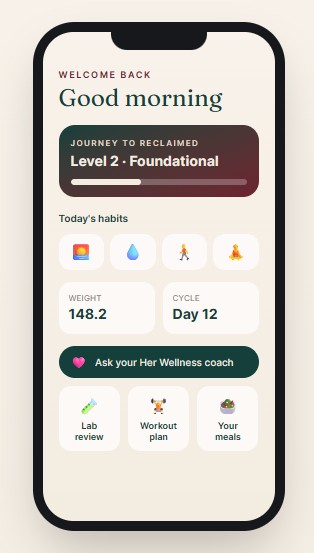
Her Wellness Reclaimed App
Real answers for women with PMOS who are tired of guessing.
Lab-based insight, a custom plan, and a real coach in your corner. Built for high-achieving women who have tried everything and still feel let down by their bodies.
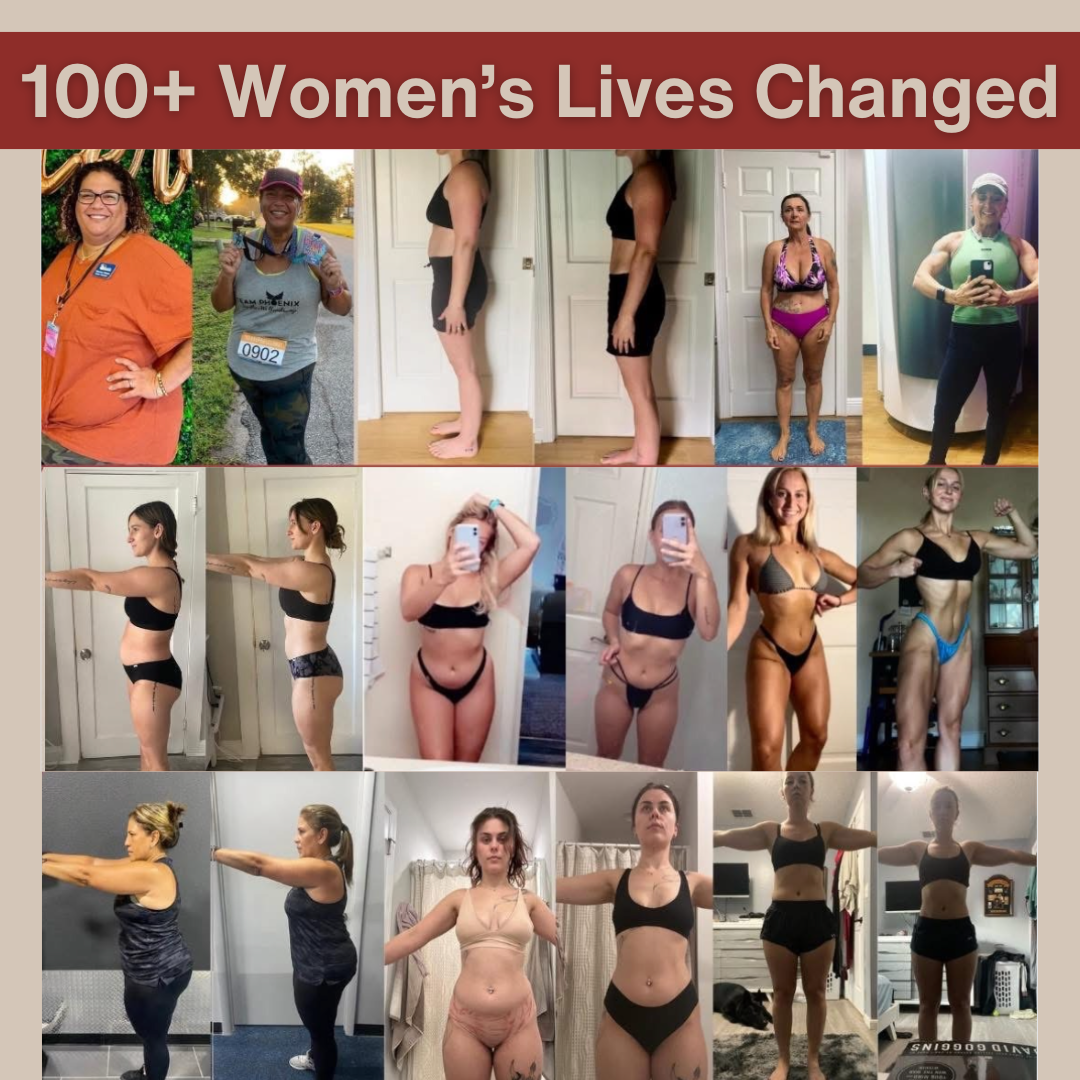
Are You Our Next Success Story?
Hundreds of women have joined our program. Apply now to see if you are a fit.
Click Here to ApplyMackenzie
Her Wellness Reclaimed
@herwellnessreclaimed
Disclaimer: This article is for educational and informational purposes only. It does not constitute medical advice, diagnosis, or treatment. References to research are provided for general informational context only. Always consult a qualified and licensed healthcare provider before making changes to your health care plan, diet, exercise routine, or lifestyle.