Most PCOS nutrition advice was written for someone with a normal schedule. Eat within an hour of waking. Have three balanced meals. Do not eat too late at night. All reasonable advice for someone whose day starts at 7am and ends at 10pm.
If you are a nurse, a paramedic, a factory worker, or anyone else keeping a night shift schedule, that advice does not translate. Your body clock is inverted. Your hunger cues are off. The cafeteria options at 3am are not designed for anyone managing a hormonal condition. And every piece of generic PCOS nutrition guidance you have tried has been built around a life that looks nothing like yours.
This post is for you. It does not assume a normal schedule. It starts with the reality of shift work and builds a nutrition framework around it, specifically for women with PCOS.
Why Standard PCOS Nutrition Advice Backfires on Night Shifts
The core goal of PCOS nutrition is blood sugar stability and insulin management. Insulin resistance is present in the majority of women with PCOS, and the food choices and timing that drive blood sugar spikes are the same choices that worsen androgen production, weight gain, cycle irregularity, and the full constellation of PCOS symptoms.
Night shift work creates two specific problems that standard PCOS nutrition advice does not account for. First, insulin sensitivity is naturally lower at night. The body's circadian system makes cells more responsive to insulin during daylight hours and less responsive overnight. When you eat a carbohydrate-heavy meal at 2am, the insulin response is larger than it would be for the same meal eaten at noon, even if the food is identical. For women with PCOS, who are already dealing with impaired insulin signaling, eating against this biological pattern amplifies the problem.
Second, shift work elevates cortisol. Cortisol and insulin resistance have a direct relationship. Higher cortisol means reduced insulin sensitivity, which means blood sugar swings are more extreme and harder to recover from. When you add the cortisol load of overnight work to an already compromised insulin picture, reactive eating, sugar cravings, and energy crashes become harder to manage through willpower alone. The problem is hormonal, not behavioral.
"The vending machine at 3am is not a discipline problem. It is a blood sugar problem built on a cortisol problem. Addressing the hormonal root makes the behavioral part significantly easier."
The Framework: Build Your Meals Around Your Shift, Not the Clock
Instead of trying to eat on a day schedule when your life does not allow it, anchor your meals to your shift cycle. Think of your eating pattern in three phases: the pre-shift meal, meals during the shift, and the post-shift recovery meal. Getting these three phases right matters more than eating at any specific time of day.
Pre-Shift Meal
The meal you eat before starting your shift sets your blood sugar baseline for the entire night. If you start with a spike, you spend the first three hours on a roller coaster of energy and crashes. If you start stable, the shift is metabolically much more manageable.
Prioritize protein and fat at your pre-shift meal. This means something like eggs with avocado and vegetables, a chicken and vegetable bowl, or Greek yogurt with nuts rather than a bowl of pasta or a sandwich on its own. Protein slows gastric emptying, which means glucose enters the bloodstream more gradually. Fat further slows that process. The result is a flatter blood sugar curve and less insulin demand, which directly supports PCOS symptom management overnight.
Avoid high-sugar or high-refined-carbohydrate pre-shift meals even when you are short on time. A protein shake and a handful of nuts before a shift is a better hormonal starting point than a rushed bowl of cereal.
During the Shift
The danger zone for most shift workers with PCOS is the early morning hours, typically between 2am and 5am. This is when insulin sensitivity is at its lowest, cortisol is often elevated, fatigue is driving food choices, and the available options tend to be vending machine snacks, leftovers from the break room, or whatever someone brought in.
Planning ahead for this window is not optional if managing PCOS is a priority. Bringing your own food is the single most impactful thing you can do. It does not have to be elaborate. Hard-boiled eggs, string cheese, nuts, sliced vegetables with hummus, or a protein bar with low sugar content are all options that support blood sugar stability and require minimal preparation.
What to avoid during the shift:
- High-sugar snacks and drinks, including most energy drinks and flavored coffees
- Large carbohydrate-heavy meals in the 2am to 5am window when insulin sensitivity is lowest
- Going more than four to five hours without eating, which raises cortisol and leads to reactive overeating
- Relying on caffeine alone without food, which spikes cortisol further
If you need caffeine to get through the shift, time it earlier in the shift rather than in the final hours. Caffeine taken close to when you plan to sleep after the shift reduces sleep quality, which then raises cortisol for the next shift, creating a cycle that is hard to break.
Post-Shift Recovery Meal
After a night shift, most women with PCOS make one of two mistakes. They either eat a large meal before bed, which disrupts sleep quality and keeps blood sugar elevated during what should be the overnight hormonal recovery window. Or they skip eating entirely because they are too tired to care, which raises cortisol and leaves them waking up hungry and hormonally depleted.
A better approach is a small, protein-dominant meal after the shift before sleeping. Something light, not a full dinner-sized meal. The goal is to prevent cortisol from spiking during sleep from low blood sugar without sending enough glucose into the bloodstream to disrupt the hormonal processes that happen during sleep. Eggs, a protein shake, or yogurt work well here. Skip high-carbohydrate options entirely post-shift.
What About Intermittent Fasting?
Intermittent fasting gets recommended frequently in PCOS communities, and for some women with PCOS on a standard schedule, it can be a useful tool. For shift workers with PCOS, the picture is more complicated and worth understanding before adopting this approach.
Fasting raises cortisol. This is a normal physiological response, cortisol mobilizes stored glucose to maintain blood sugar during a fasting period. For women with PCOS who are already managing elevated cortisol from overnight work and compromised sleep, adding a fasting-induced cortisol spike may worsen the hormonal environment rather than improve it. The insulin-sensitizing benefit of fasting may be outweighed by the cortisol cost for this specific group.
This does not mean fasting is always wrong for shift workers with PCOS. It means the decision should be based on knowing your actual cortisol pattern and insulin picture through functional testing, not on general PCOS advice that was not written for shift workers.
Building a Sustainable Approach
The goal is not a perfect eating protocol. It is consistent, planned nutrition that keeps blood sugar stable enough to reduce the hormonal impact of shift work on your PCOS. Three things move the needle more than anything else: starting each shift with a protein and fat dominant meal, having food ready for the 2am to 5am window instead of relying on what is available, and not skipping the post-shift meal in an attempt to eat less.
Everything else, the specific foods, the precise timing, the supplements that may help support insulin sensitivity, is secondary to getting those three foundations in place. Start there and build from what works.
For a deeper look at the hormonal mechanisms behind why shift work is so hard on PCOS, read: Why Night Shift Work Makes PCOS Worse: The Cortisol and Sleep Connection.
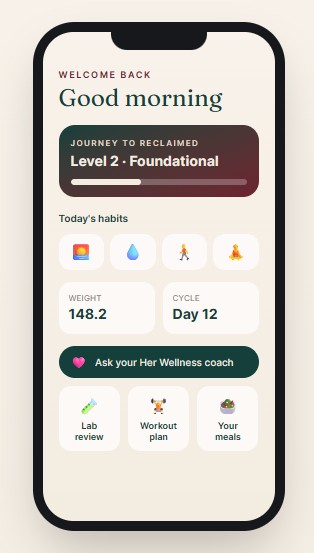
Her Wellness Reclaimed App
Real answers for women with PMOS who are tired of guessing.
Lab-based insight, a custom plan, and a real coach in your corner. Built for high-achieving women who have tried everything and still feel let down by their bodies.
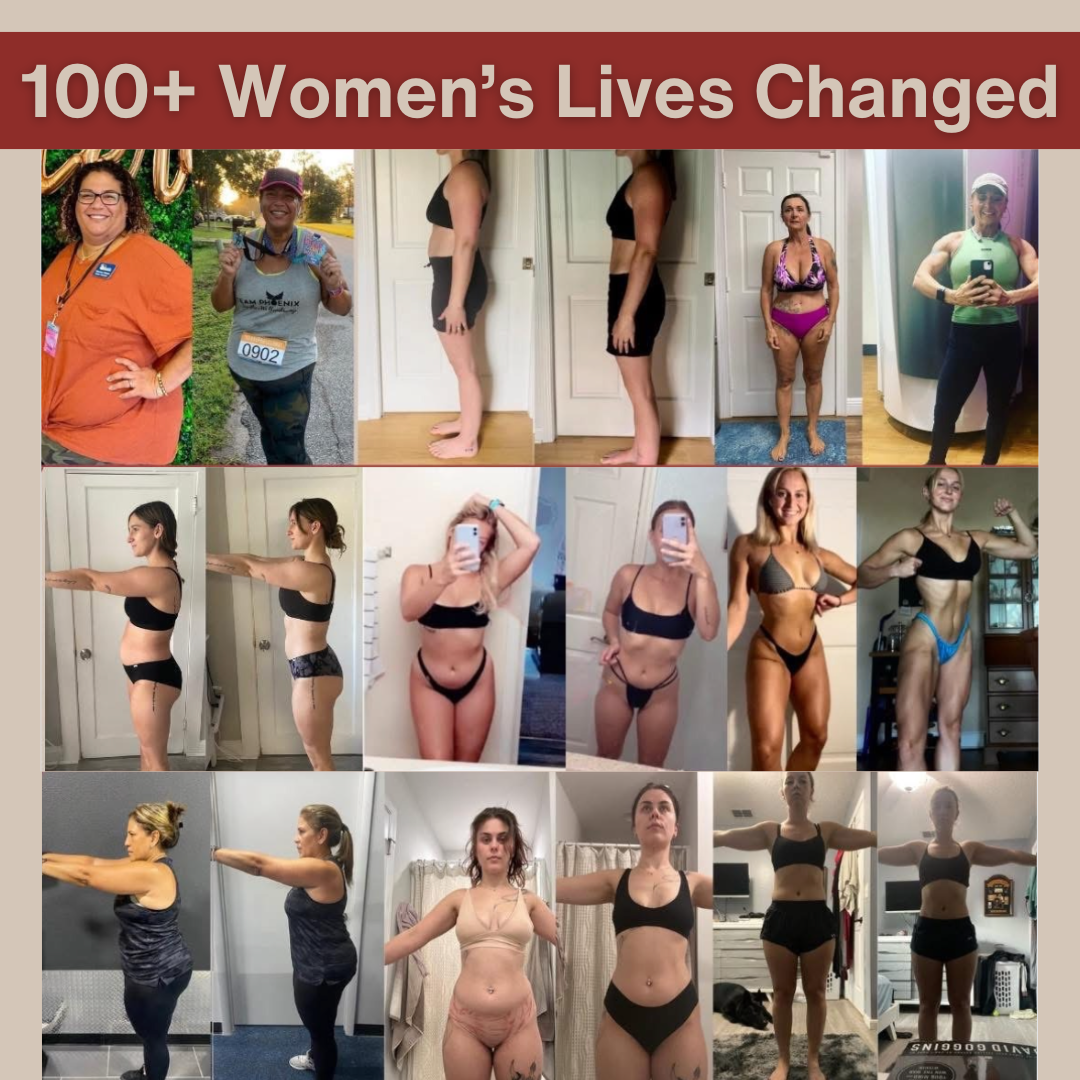
Are You Our Next Success Story?
Hundreds of women have joined our program. Apply now to see if you are a fit.
Click Here to ApplyMackenzie
Her Wellness Reclaimed
@herwellnessreclaimed
Disclaimer: This article is for educational and informational purposes only. It does not constitute medical advice, diagnosis, or treatment. Nutrition information provided is general in nature and does not account for individual health conditions, medications, or specific needs. Always consult a qualified and licensed healthcare provider or registered dietitian before making significant changes to your diet or health care plan. Individual results vary.