You've cleaned up your diet. You're working out consistently. You've cut out sugar, tried the supplements everyone recommends, and you're still gaining weight, still exhausted, still dealing with symptoms that won't quit.
This is for educational purposes only and is not a substitute for medical advice. But what follows is a real explanation for why so many disciplined, high-achieving women with PCOS stay stuck — and it has nothing to do with effort.
The reason you're not getting results is that the strategy you've been given was never designed for a body with PCOS.
What's Actually Going On
PCOS is not one condition — it's a hormonal and metabolic syndrome that looks different in every woman. But the common thread in most cases is insulin resistance. When your cells stop responding to insulin properly, your pancreas pumps out more to compensate. That excess insulin signals your ovaries to produce more androgens — the hormones behind acne, facial hair, weight gain around the midsection, and irregular cycles.
Here's what most people don't realize: insulin resistance can be present even when your fasting blood sugar looks completely normal. Standard bloodwork often misses it entirely. So your doctor tells you everything looks fine — and you go home thinking the problem is you.
"It's not you. It's an incomplete picture."
Chronic stress makes this worse. Elevated cortisol directly impairs insulin sensitivity and drives androgen production higher. So if your life is high-pressure — and most of the women I work with are managing a lot — your stress response may be actively working against your hormones, even when your nutrition is dialed in.
Why the Standard Advice Fails You
"Eat less, move more" is the most common advice given to women with PCOS who are trying to lose weight. The problem is that aggressive calorie restriction raises cortisol, can worsen insulin resistance, and triggers your body's conservation response — which is the opposite of what you need.
High-intensity exercise raises similar concerns. HIIT and intense cardio feel productive, but for a woman with elevated cortisol and insulin resistance, they can spike stress hormones and stall progress. Research suggests this is why some women work out six days a week and see minimal change on the scale. It's not laziness. The tool doesn't match the problem.
What May Actually Help
Addressing PCOS at the root level often means stabilizing insulin first. That can look like prioritizing protein and fiber at every meal to blunt blood sugar spikes, reducing refined carbohydrates, and spacing meals in a way that gives your insulin response time to settle between eating.
Movement matters — but the type matters more. For women with high cortisol and insulin resistance, strength training and consistent walking are well-supported by research for improving metabolic markers. A daily walk after meals, for example, has been shown to meaningfully lower post-meal blood sugar response.
And stress management isn't optional — it's metabolic medicine. Sleep, recovery, and nervous system regulation directly impact the hormonal cascades driving your symptoms. These aren't soft additions to your PCOS protocol. They're central to it.
The hard part is that this requires a plan built around your specific hormone picture, not a generic PCOS template. That's why functional labs matter. Without knowing what's actually elevated or depleted in your body, you're guessing. And you've already spent enough time guessing.
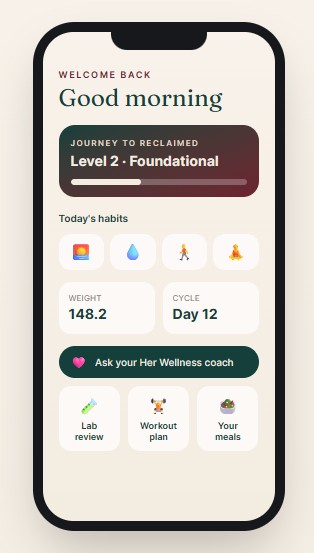
Her Wellness Reclaimed App
Real answers for women with PMOS who are tired of guessing.
Lab-based insight, a custom plan, and a real coach in your corner. Built for high-achieving women who have tried everything and still feel let down by their bodies.
Are You Our Next Success Story?
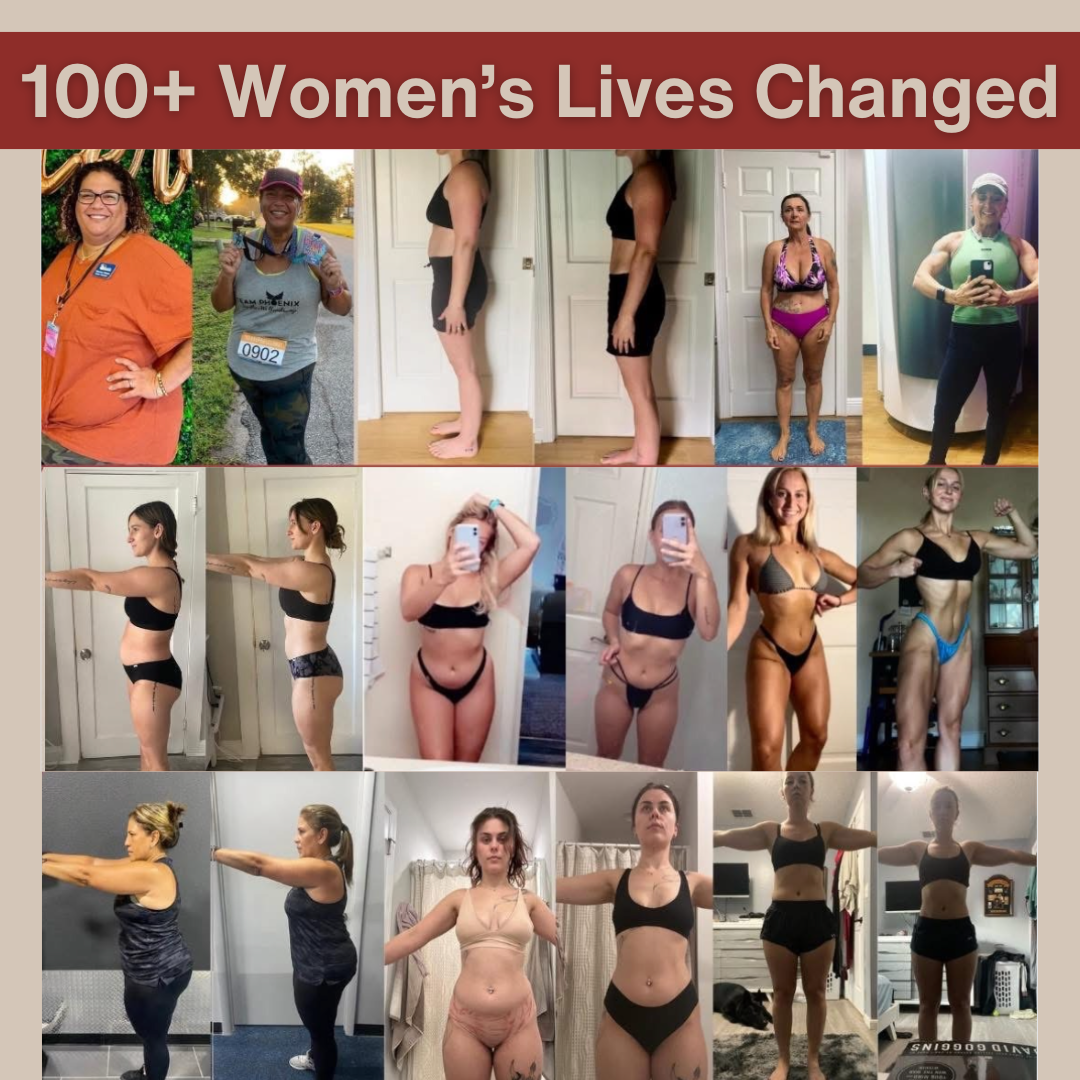
Hundreds of women have joined our program. Apply now to see if you are a fit.
Click Here to Apply