You have built your life on discipline, output, and results. You don't quit. You don't make excuses. When something isn't working, you work harder. And for a long time, that served you well.
But at some point the system stopped responding. You pushed harder and felt worse. You took a rest week and came back just as depleted. You cut more, moved more, optimized more and the fatigue, the brain fog, the emotional flatness just stayed. You started wondering if this is just what your thirties feel like. If this is just the cost of ambition.
It is not. If you have PMOS, your body is operating under a hormonal load that most people and most doctors have never fully accounted for. And understanding why you hit that wall is the first step to actually getting out from under it.
PMOS Creates a Biological Predisposition to Burnout
Burnout is not just about how much you're doing. It's about the gap between the demands placed on your body and your body's actual capacity to recover. Women with PMOS have that gap working against them from multiple directions simultaneously.
Your Adrenals Are Already Working Overtime
In many women with PMOS, the adrenal glands are producing excess androgens DHEA-S and testosterone alongside cortisol. When you layer life stress, work pressure, and high-intensity exercise on top of adrenal glands that are already running hot, you push that system toward a dysregulated cortisol pattern faster than someone without PMOS would.
The early stage looks like being wired and tired. You can't wind down at night but you can't fully start in the morning. Caffeine stops feeling like fuel and starts feeling like survival. This is your HPA axis the hormonal stress-response system beginning to lose its ability to modulate properly.
"The woman with PMOS who pushes through burnout is not weak. She is running a depleted system harder than it was built to run. That is not a character problem. It is a biology problem."
Insulin Resistance Starves Your Cells of Energy
When insulin resistance is present which research suggests affects the majority of women with PMOS your cells lose the ability to efficiently use glucose for fuel. You can eat enough food and still feel like you're running on empty, because the energy isn't getting into the cells that need it. This is why women with PMOS often describe a specific type of fatigue that doesn't resolve with sleep or food. It is not tiredness. It is cellular energy dysfunction.
High-achieving women often interpret this as a motivation problem, a mental health issue, or a sign they need to push through harder. It is none of those things. It is a metabolic signal that something in the underlying system needs to change.
Your Thyroid May Be Quietly Slowing Everything Down
Thyroid dysfunction is more common in women with PMOS than in the general population. The thyroid controls the metabolic rate of virtually every cell in your body. When it is even slightly underperforming which standard TSH-only testing often misses the result is a pervasive, whole-body slowness. Fatigue that sleep doesn't fix. Difficulty concentrating. A sense of effort that is disproportionate to what you're actually doing. Brain fog that feels like you're thinking through wet concrete.
Many women with PMOS are living with subclinical thyroid involvement that has never been properly tested because their doctor stopped at TSH and called it normal.
You're Not Recovering Because Your Sleep Architecture Is Broken
Deep, restorative sleep requires stable blood sugar, appropriate progesterone levels, and a cortisol pattern that tapers properly through the evening. Women with PMOS frequently have all three of those disrupted simultaneously. The result is nights that technically clock 7 or 8 hours but produce none of the recovery those hours should generate.
Waking between 2am and 4am is a classic sign of blood sugar dysregulation your cortisol spiking to compensate for a nocturnal blood sugar drop. Difficulty falling asleep is often progesterone-related or elevated evening cortisol. Neither resolves until the hormonal root cause is addressed.
Why Resting Alone Doesn't Fix It
The conventional burnout advice take a vacation, reduce your workload, practice self-care assumes that rest is the missing input. For women without hormonal dysfunction, that is often enough. For women with PMOS, it is not, because the hormonal environment that is producing the depletion is still active even when you stop working.
You can take two weeks off and come back feeling exactly the same, because your cortisol pattern, your insulin resistance, and your cellular energy dysfunction did not take two weeks off with you. Rest is necessary. It is not sufficient.
What Recovery Actually Looks Like for Women with PMOS
Recovery from PMOS-driven burnout requires addressing the hormonal foundation, not just managing the workload. This is not medical advice but this is what the evidence and clinical experience consistently point toward.
Get the Right Lab Work First
You cannot build a recovery plan without knowing which systems are most depleted. A comprehensive functional panel for PMOS burnout includes cortisol patterns (ideally a 4-point saliva or DUTCH test), full thyroid panel including free T3 and reverse T3, fasting insulin and glucose, full hormone panel, and key nutrients including ferritin, vitamin D, B12, and magnesium. This data tells you what is actually driving the depletion so you can target it rather than guessing.
Stop Adding Cortisol to a Cortisol Problem
High-intensity training, aggressive caloric restriction, and chronic sleep debt are all cortisol inputs. For a woman with PMOS in burnout, they are actively making the recovery harder. This does not mean stopping exercise it means replacing cortisol-spiking exercise with walking and strength training, which improve metabolic health without adding to the cortisol load. It means eating enough, consistently, with protein prioritized at every meal. It means treating sleep as the highest-priority recovery tool you have.
Rebuild Your Energy Floor
Sustainable energy for women with PMOS comes from stable blood sugar, not from stimulants. Building a foundation of protein-first meals, eliminating the blood sugar spikes and crashes that force repeated cortisol responses, and eating consistently rather than reactively creates a different energetic baseline one that isn't dependent on caffeine to function and doesn't collapse after noon.
This feels counterintuitive for high achievers who are used to running on adrenaline and coffee. But running on adrenaline is exactly what depleted you. The goal is to stop needing it.
Understand That This Is a Process, Not a Sprint
Adrenal and hormonal recovery does not happen in two weeks. For women who have been running a depleted system for years, meaningful recovery typically takes three to six months of consistent targeted support. The women who recover fully are the ones who commit to the process rather than expecting a quick fix which, to be fair, is exactly the kind of long-game thinking that high achievers are actually good at when they understand what they're working toward.
You did not burn out because you're weak. You burned out because you were running a system with a significant hidden load that nobody identified. That changes the entire approach.
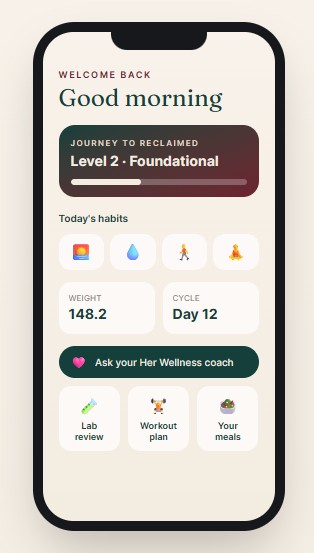
Her Wellness Reclaimed App
Real answers for women with PMOS who are tired of guessing.
Lab-based insight, a custom plan, and a real coach in your corner. Built for high-achieving women who have tried everything and still feel let down by their bodies.
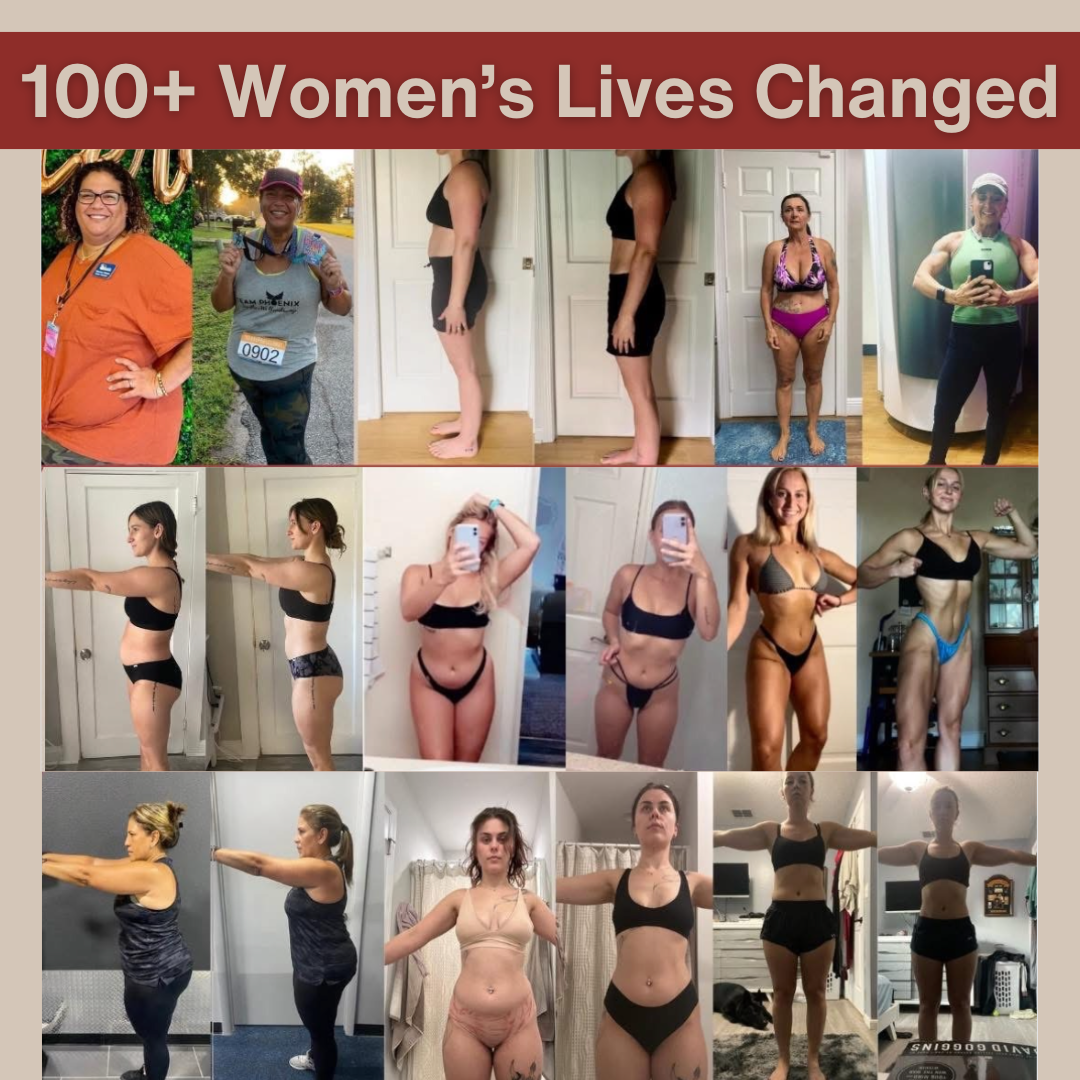
Are You Our Next Success Story?
Hundreds of women have joined our program. Apply now to see if you are a fit.
Click Here to ApplyMackenzie
Her Wellness Reclaimed
@herwellnessreclaimed
Disclaimer: This post is for educational purposes only and does not constitute medical advice, diagnosis, or treatment. The information shared here is intended to support informed conversations with your healthcare provider. Always consult a qualified healthcare professional before making changes to your health plan.